It is the first thing most people buy when a wall goes damp or mould appears around the windows: a dehumidifier. And it is a fair question to ask a damp company whether it will actually help, because we have an obvious interest in telling you it will not.
So here is the honest answer. A dehumidifier is genuinely useful for one type of damp, and for drying a building out. For the other types, it treats the symptom and leaves the cause untouched. Knowing which you have saves you money either way.
When a dehumidifier helps
Condensation: yes
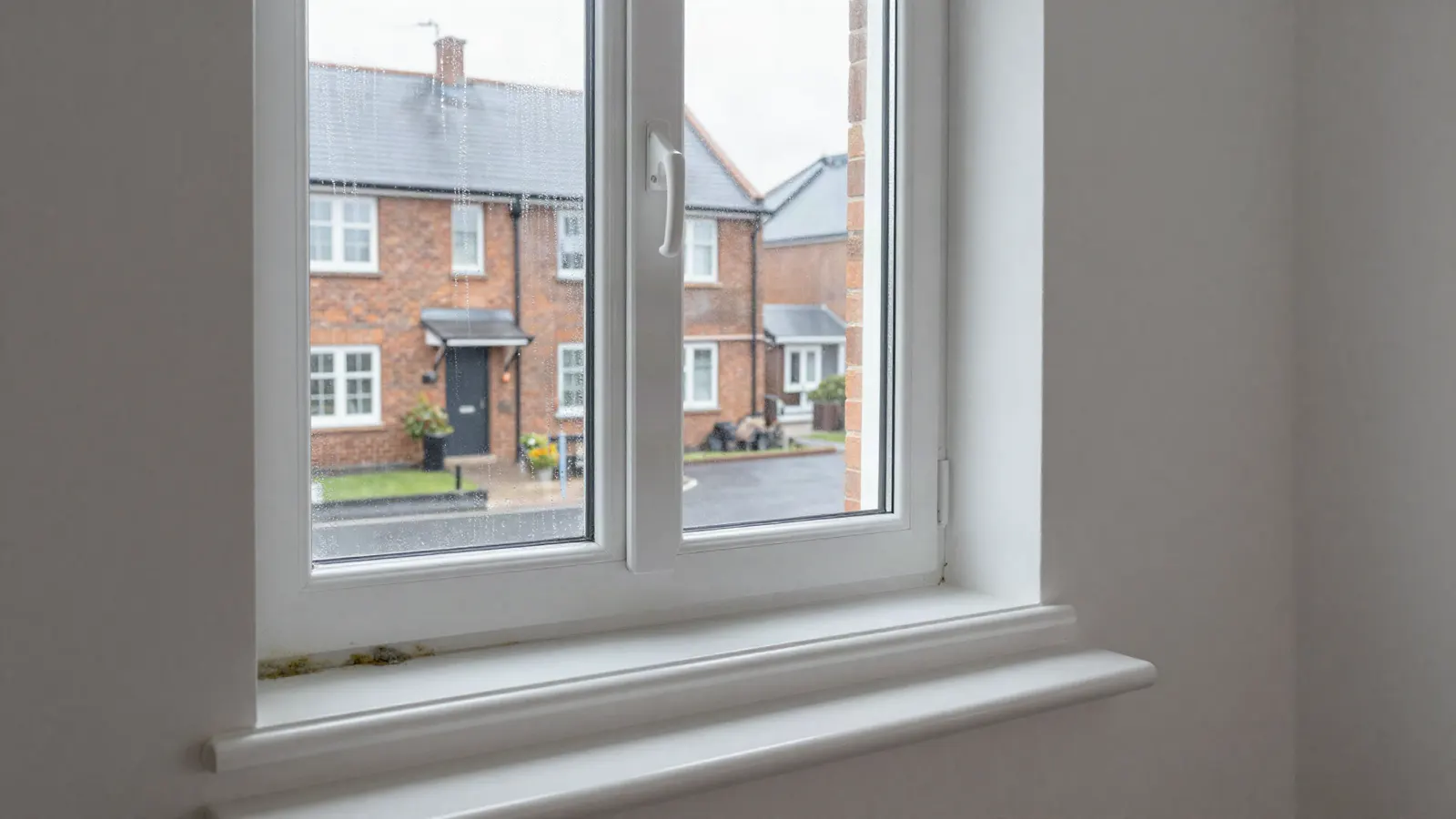
Condensation is the most common form of damp in UK homes. Both the Centre for Sustainable Energy and the government's guidance on damp and mould in the home say so. It happens when warm, moist air from cooking, showers, drying clothes and breathing meets a cold surface, such as a window, an outside wall or the back of a wardrobe. The result is the familiar running windows and black mould in corners.
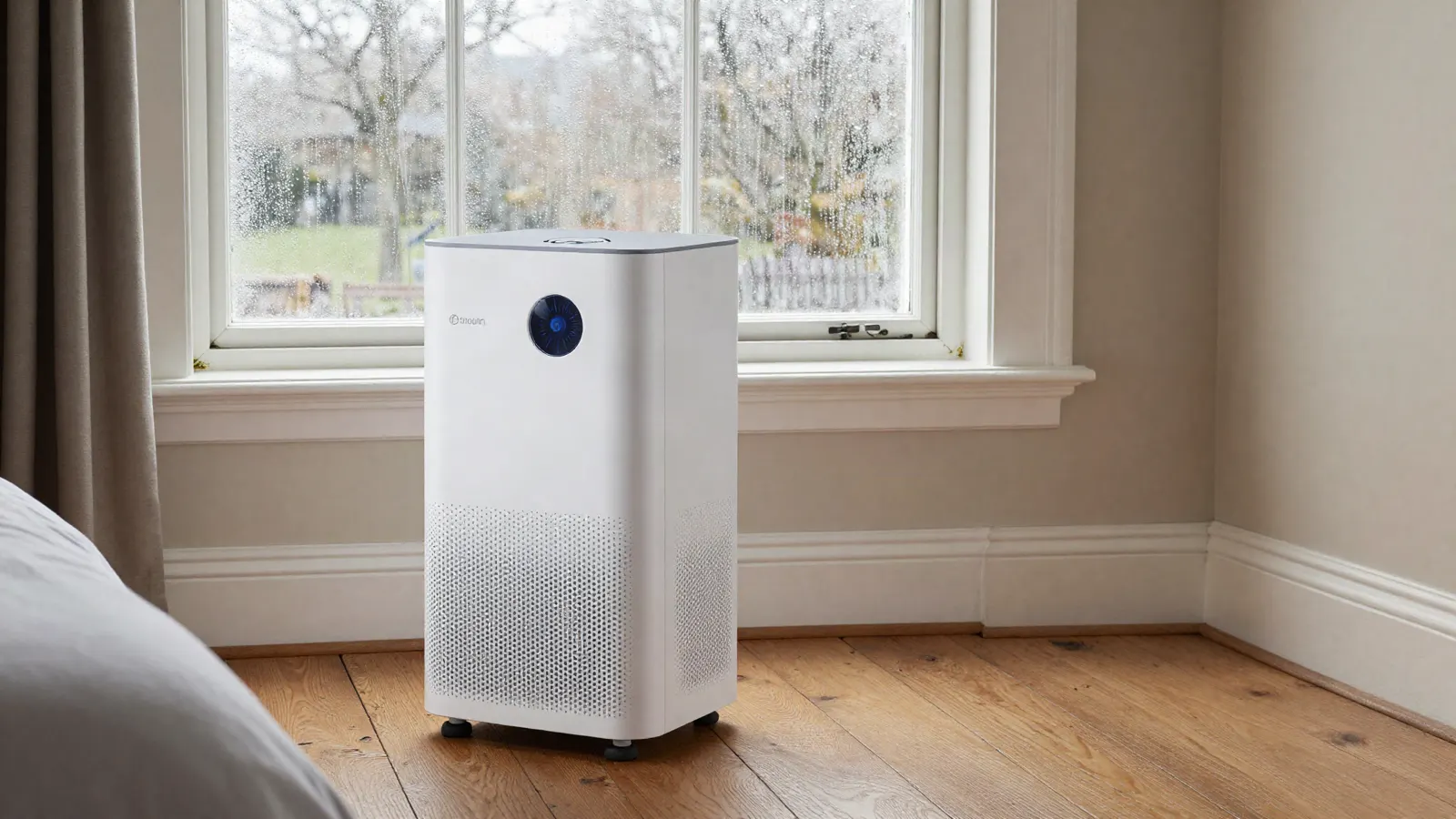
Because condensation is a problem of too much moisture in the air, removing moisture from the air tackles it directly. That is exactly what a dehumidifier does. If your damp is worse in winter, worst in bedrooms and bathrooms, and shows up as black mould spots rather than a tide mark, a dehumidifier will usually make a real difference. Our guide to condensation vs damp will help you tell.
Drying out after a leak, flood or damp proofing: yes, carefully
After a burst pipe, a flood, or replastering following damp proofing work, a dehumidifier speeds up drying in a closed room. There is one important caveat. Building control body LABC warns that forcing drying too fast, with heaters or dehumidifiers, can crack plaster and screeds and split joinery. Steady, moderate drying is what you want, not a room baked dry in a weekend.
When a dehumidifier will not fix it
Rising damp: no
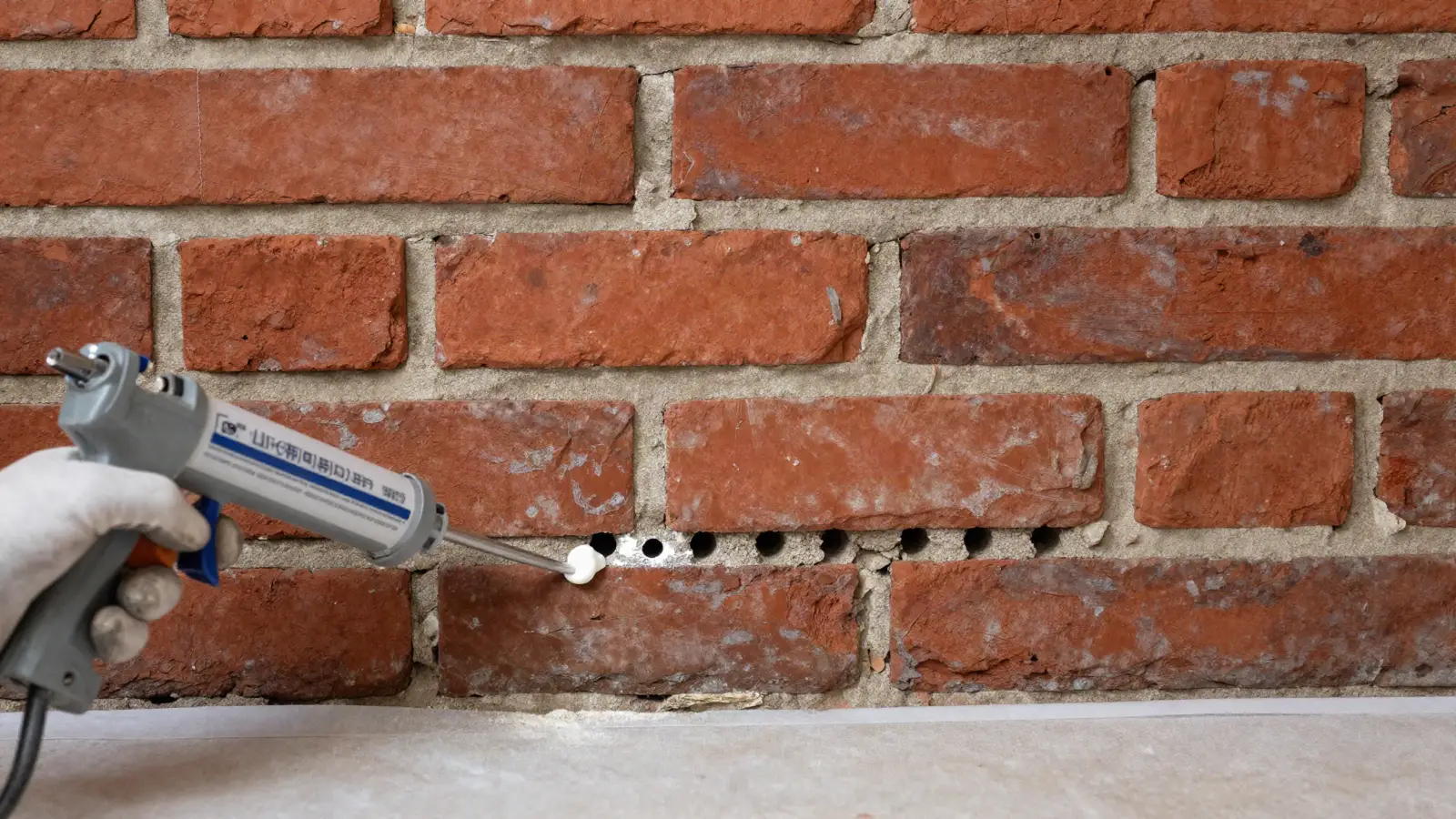
Rising damp is ground moisture climbing through the base of a wall, usually because a damp proof course is missing, failed or bridged. The water is coming from the ground and travelling up the masonry. A dehumidifier can dry the air in the room and even the surface of the plaster, but it cannot stop water rising through the brickwork. Worse, the salts that rising damp leaves in plaster keep pulling moisture back from the air. Genuine rising damp is also far less common than people think, so get it diagnosed properly first. See how to tell if you have rising damp.
Penetrating damp: no
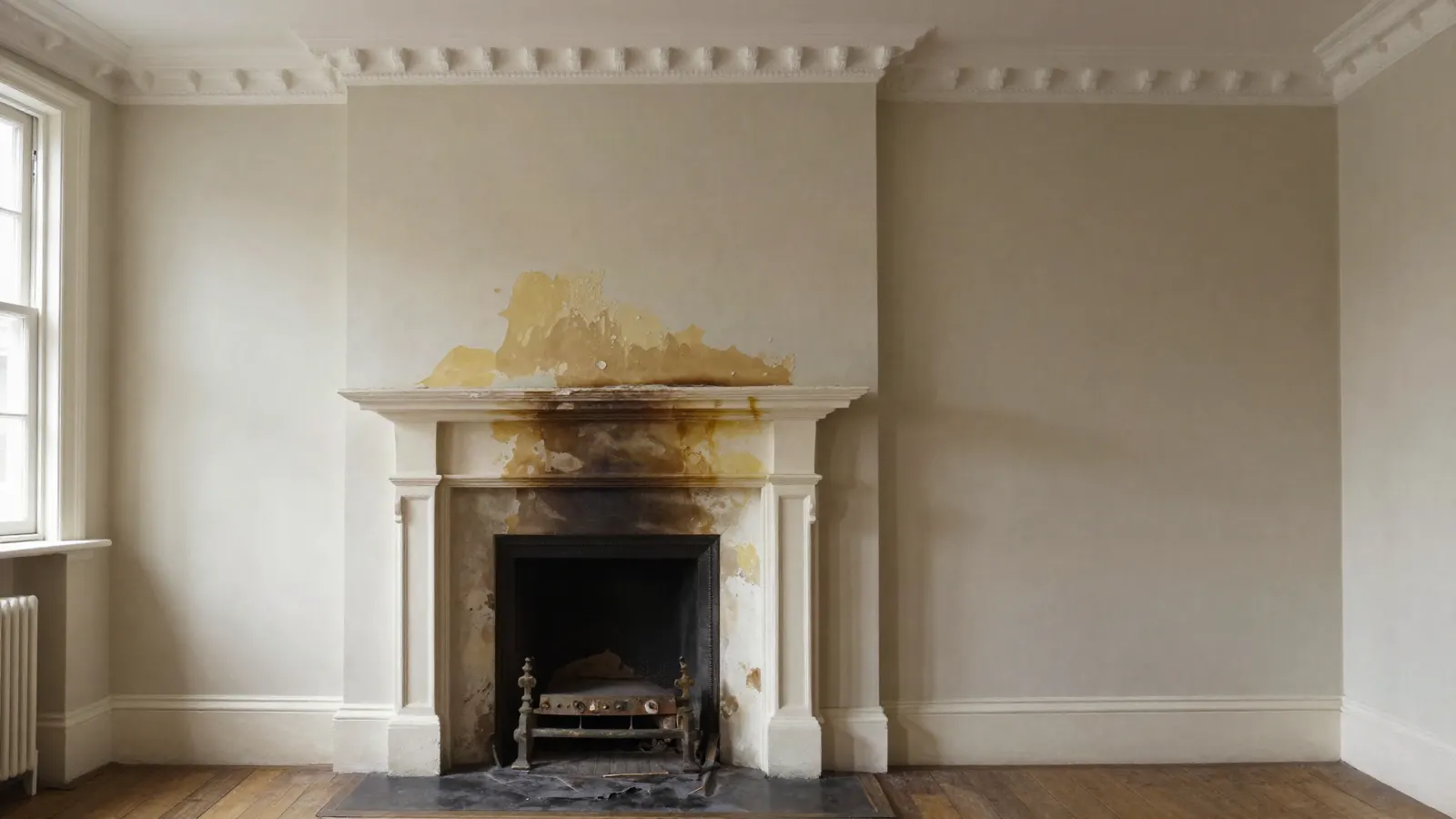
Penetrating damp is rainwater getting in through the walls or roof: a blocked gutter, cracked render, failed pointing, a leaking window or a damp chimney breast. The source is outside. Running a dehumidifier while rain soaks into the wall is like bailing a boat without fixing the hole. The fix is a repair, not a machine. Our guide to penetrating damp covers the usual culprits.
A dehumidifier treats the air, not the wall. If the water is coming from the ground or the weather, the air is not the problem.
A quick way to tell
| What you see | Will a dehumidifier help? |
|---|---|
| Streaming windows, black mould in corners, worse in winter | Yes, this is condensation |
| Musty smell, damp clothes in wardrobes | Usually yes |
| Tide mark up to about a metre high with salts, same all year | No, investigate rising damp |
| Damp patch that grows after rain | No, find the leak |
| Wet walls after a flood or new plaster | Yes, for steady drying |
What humidity should you aim for?
The Centre for Sustainable Energy recommends keeping indoor relative humidity between 40% and 60%, and setting a dehumidifier to keep it below 60%. Above that, the risk of condensation and mould rises.
Mould does not appear the moment humidity ticks over 60%. Established guidance on condensation (the basis of BS 5250) works on mould becoming likely when room humidity stays at around 70% or more, or the humidity at a cold surface stays around 80%, for a sustained period. That is why a cold external wall behind a wardrobe can grow mould even in a room that feels fine. A cheap digital hygrometer is worth having to see what your rooms are actually doing.
Compressor or desiccant?
There are two main types, and the right one depends on how warm the room is.
| Compressor | Desiccant | |
|---|---|---|
| How it works | Cools air over a cold coil, like a fridge | Absorbs moisture into a material, then heats it to release it |
| Best for | Heated living spaces | Cold rooms: unheated bedrooms, garages, conservatories |
| In the cold | Output drops sharply | Works well at low temperatures |
| Running cost | Lower | Higher |
| Side effect | Slightly warms the room | Noticeably warms the room |
As a rough guide, a desiccant model makes more sense in rooms that are regularly below about 10–15°C. Opinions vary on the exact cut-off. In a normally heated Brighton home, a compressor model is usually the cheaper choice.
Do not trust the litres on the box
Dehumidifiers are rated by how many litres a day they extract, but that figure is measured at 30°C and 80% humidity. Those conditions are nothing like a British living room in November. One leading manufacturer's own figures show its "20-litre" compressor model extracting about 8.5 litres a day at 20°C and 60%, and under 3 litres at 10°C. Expect a real-world output of roughly 40% of the label in a typical room. Buy one size bigger than you think you need.
How much does a dehumidifier cost to run?
Under Ofgem's price cap for 1 October to 31 December 2026, the average electricity unit rate for Direct Debit customers is 26.32p per kWh. Ofgem notes that the government has removed VAT from electricity bills from October 2026 to March 2027, so that is the price you actually pay.
| Type | Typical power | Per hour | 8 hours | 24 hours |
|---|---|---|---|---|
| 20-litre compressor | about 220W | about 6p | about 46p | about £1.39 |
| Desiccant, low setting | about 300W | about 8p | about 63p | about £1.89 |
| Desiccant, high setting | about 650W | about 17p | about £1.37 | about £4.11 |
These are averages; your tariff and region will vary, and the cap changes again in January. Most machines have a humidistat, so in practice they cycle on and off rather than running flat out. Set a target of around 50–55% and let it do the work, rather than running it for a fixed number of hours.
Getting the most out of one
Which? recommends:
- Put it in the middle of the room, at least 20cm from walls and furniture, and away from radiators.
- Keep windows and outside doors closed while it runs, or it is trying to dry the weather.
- For the whole house, stand it on the landing with internal doors open. For one problem room, keep it in that room with the door shut.
- Clean the filter every few weeks, and empty the tank (or use continuous drainage).
And deal with moisture at its source too. Use extractor fans when cooking and showering, dry clothes outside or in a vented dryer where you can, and keep a little background heat on in cold rooms. Our guide to preventing condensation in winter has more.
Renting with damp and mould?
The government's guidance is clear that damp and mould affect health, especially for children, older people, pregnant women and anyone with a lung or heart condition, or a weakened immune system. It also says landlords should not wait for medical evidence before acting. A dehumidifier can help you manage condensation, but it is not a substitute for a landlord fixing disrepair. In social housing, Awaab's Law has required landlords to investigate and fix damp and mould hazards within set timescales since 27 October 2025. For private tenancies, the government is consulting on extending it (consultation open until 18 December 2026), and no start date has been set yet. In the meantime, private landlords are still covered by existing housing standards, and councils can enforce them. See our guide to landlord damp and mould responsibilities.
Still damp with the dehumidifier running?
If you are emptying a full tank every day and the wall is still damp, or the damp is low down, after rain, or around a chimney, the air probably is not the problem. A proper damp survey will tell you what is. Surveys across Brighton, Hove and Sussex start from £95 plus VAT, credited against any works. If it turns out to be condensation, we will tell you, and point you at a dehumidifier and better ventilation rather than an expensive treatment. As a Biokil-approved contractor, our qualifying damp proofing work carries a 30-year guarantee. Call 01273 536 985 or get in touch.