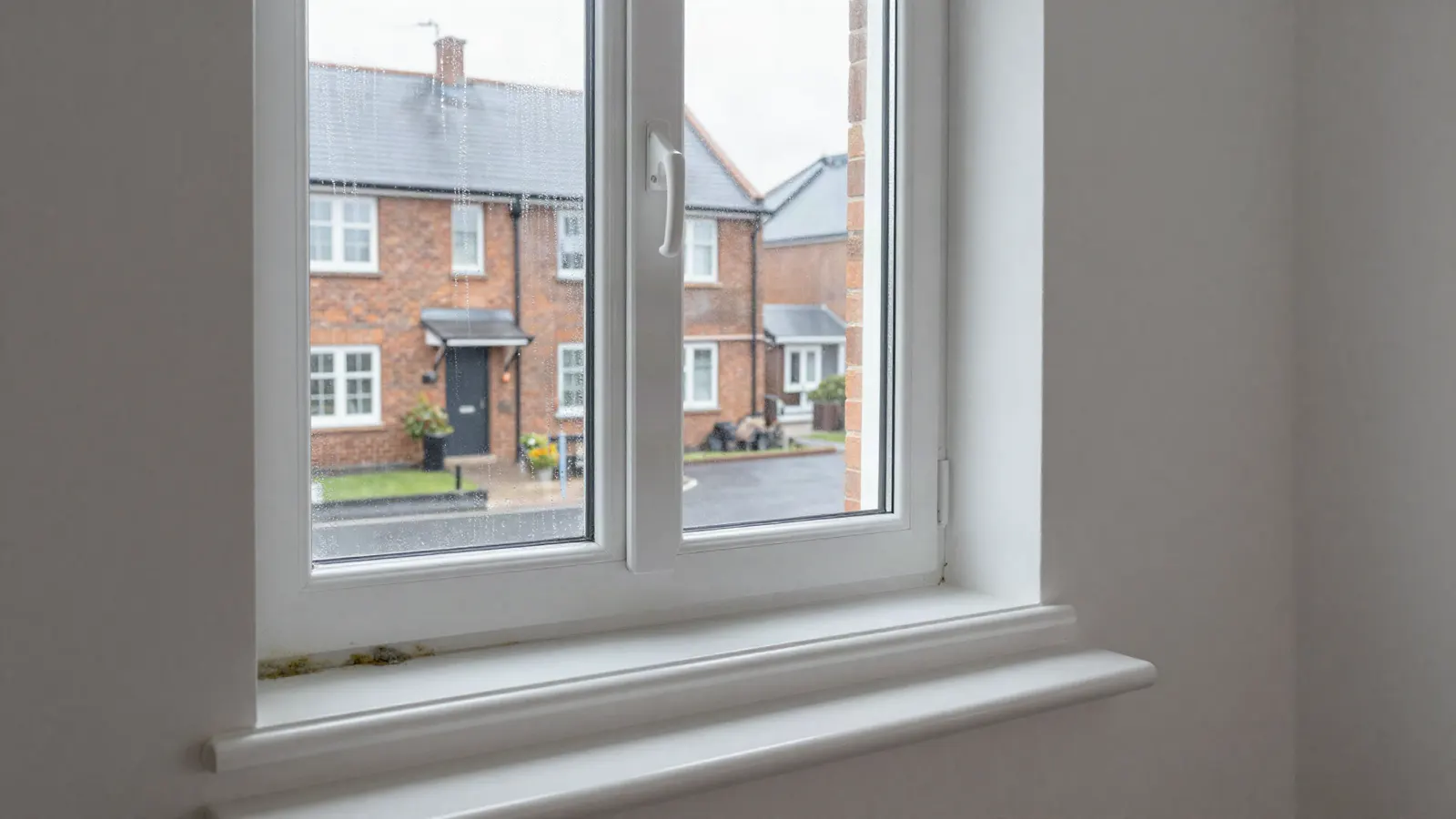
You have moved into a brand-new home and, within months, there is water streaming down the windows every morning, black spots in the corner of a bedroom, or a damp patch on a wall. It is not what anyone expects from a new house, and it is very common. In the Home Builders Federation's latest customer survey, covering October 2024 to September 2025, 93% of new-build buyers said they had reported at least one problem to their builder. That covers everything from minor snags to serious defects.
Damp in a new build usually comes down to one of two things: the house drying out, or a genuine building defect. Telling them apart matters, because it decides whether the fix is a change of habits or a job for your builder, and who pays for it.
Why new builds are damp at first
A new house is built with a lot of water. Concrete, floor screeds, mortar, plaster and paint all go in wet, and rain falls on the structure before it is watertight. A guide written by the UK Centre for Moisture in Buildings and supported by the NHBC Foundation (2019) says up to 8,000 litres of water, about 800 buckets, can go into the materials, depending on the design.
All of that has to come out once you move in and switch the heating on. The National House Building Council (NHBC) says drying out generally takes around nine months to a year, depending on how the house was built and the weather when you move in. The NHBC Foundation-backed guide allows 18 months to two years before a home settles into a moisture balance.
The other part of the story is how airtight modern homes are. NHBC points out that better insulation, draught-proofing and sealed windows keep heat in, but they also stop water vapour escaping, which raises the risk of condensation. So a new home starts life with a lot of moisture to lose and fewer gaps to lose it through. That is why ventilation matters so much more than it did in an older, draughtier house.
What is normal in the first year
- Condensation on windows, especially first thing in the morning
- Small shrinkage cracks in plaster and gaps in joinery as timber and plaster dry. NHBC treats cracks of 2mm or less as cosmetic.
- White, powdery salts (efflorescence) on new brick or plaster as it dries
- Moisture on the underside of the roof felt in the loft in cold weather, which NHBC says should gradually disperse
How to help a new build dry out
Most of this comes straight from NHBC's own guidance for new homeowners:
- Leave trickle vents open, the slots at the top of the window frames, even in winter with the heating on. The ventilation regulations for new homes say these vents are intended to be left open normally.
- Use the extractor fans when cooking, showering or bathing, keep the door shut, and leave the fan running for about 20 minutes afterwards.
- Avoid drying washing on radiators or airers. If you have to dry clothes indoors, do it in a room with the window open and the door closed. A vented tumble dryer must vent outside.
- Heat the house steadily. Keep all rooms at a low, even temperature rather than heating some rooms hard and leaving others cold. NHBC also advises being sparing with heat while the house dries, because turning it right up makes shrinkage cracking worse.
- Leave a gap behind furniture, and put wardrobes against internal walls where you can.
- Look after mechanical ventilation. If you have a whole-house system (MVHR or continuous extract), use it as instructed and keep it serviced. Builders must hand over clear instructions for the ventilation system, so ask for them if you did not get them.
- Deal with mould gently. Use a fungicidal wash rather than brushing or vacuuming the spores into the air.
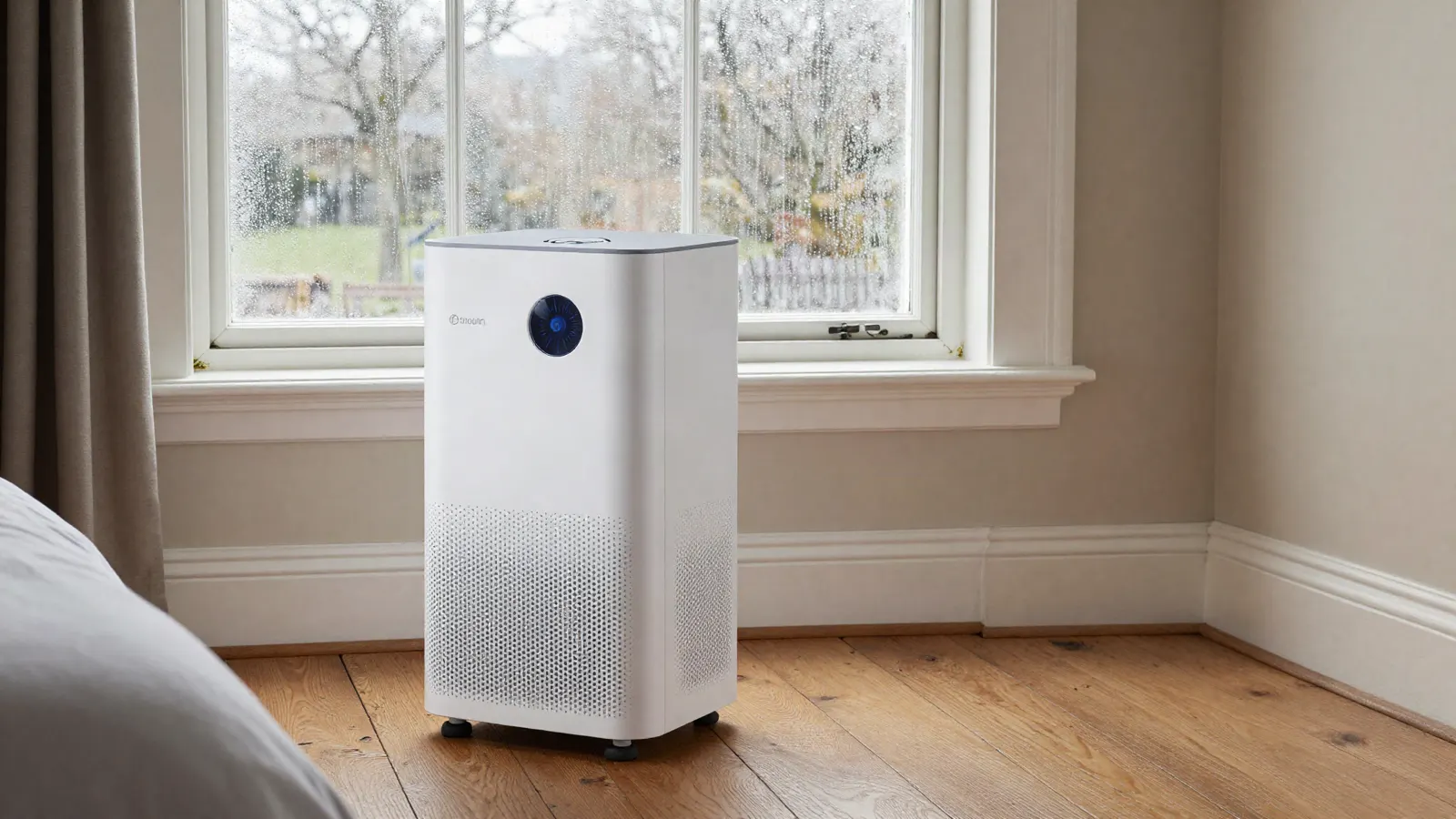
A cheap hygrometer helps. Building services guidance suggests keeping homes at roughly 40 to 60% relative humidity. For drying a damp room quickly, see does a dehumidifier help with damp?, and for more on day-to-day condensation, our guide to preventing condensation in winter.
When it is not just drying out
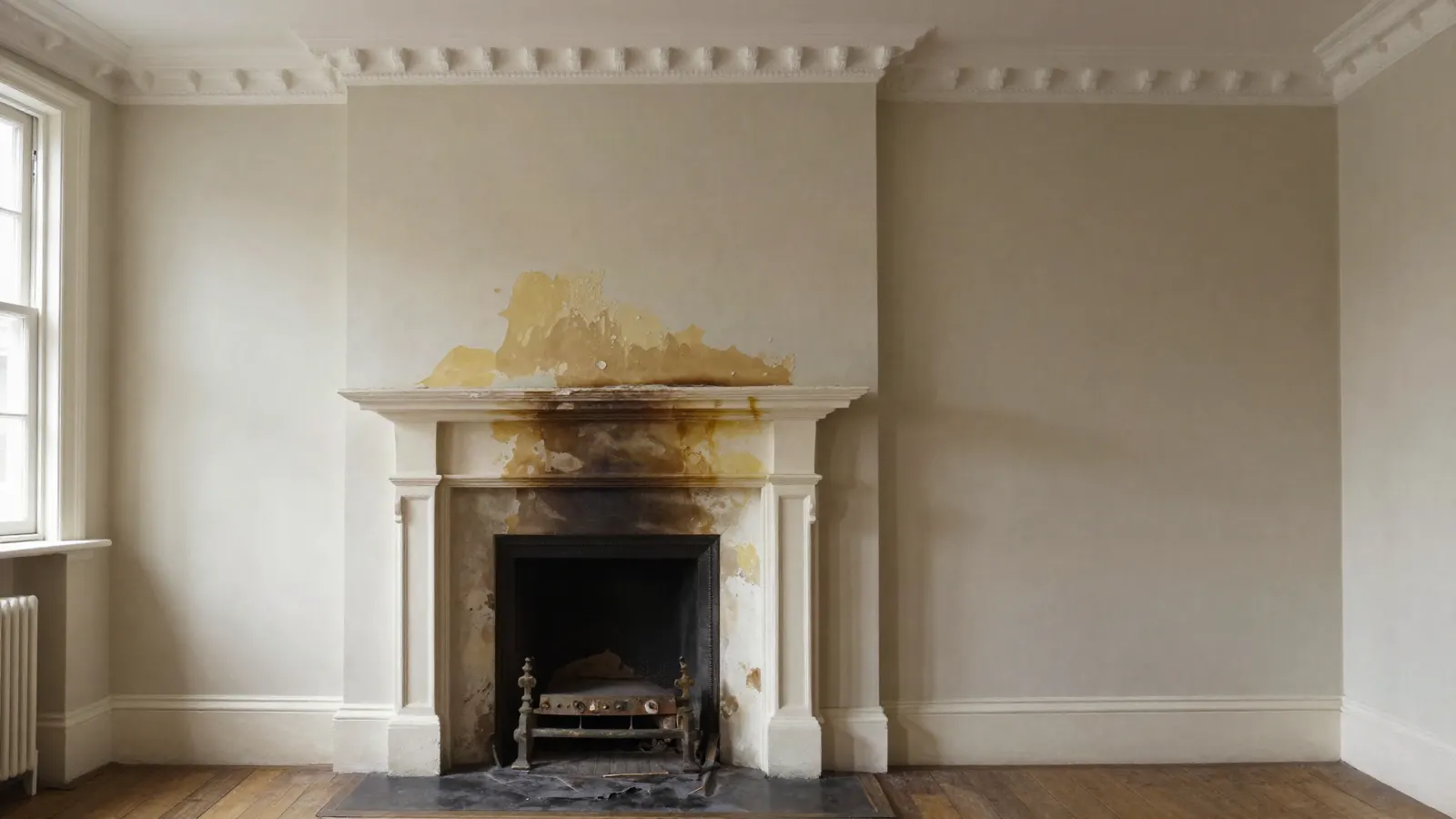
Drying-out damp is spread around the house, worst in cold corners and on windows, and it slowly gets better. Be suspicious of damp that follows the rain, sits in one place, or keeps getting worse.
| What you notice | Possible cause |
|---|---|
| Condensation and mould on windows, cold corners and behind furniture | Drying out and condensation. Improve ventilation and heating first |
| Damp patch on an outside wall that appears or grows after rain | Rain getting in through a window seal, sill, render or roof |
| Damp above a window or door after rain | Missing, badly fitted or blocked cavity tray, or missing weep vents |
| Damp along the base of ground-floor walls | Damp proof course bridged by high ground, a path or patio, or not joined to the floor membrane |
| Damp ceiling on the top floor or in the loft | Roof leak, often around dormers, roof windows or false chimneys |
| Damp that spreads regardless of the weather, near pipes or below a bathroom | Plumbing leak |
| White salts that keep coming back on inside walls | NHBC says this could indicate something more serious, such as a water leak |
Defects that cause damp in new builds
NHBC's own 2026 article on common construction defects singles out failures in damp proof courses, membrane installations and drainage as particularly troublesome. It also says a single mistake on a roof can lead to water getting in, with false chimneys and dormer windows common problem areas.
The Building Regulations for England set out the basics new homes should meet:
- The damp proof course (DPC) should be at least 150mm above the adjoining ground, and continuous with the damp proof membrane in the floor.
- Cavity trays above openings need stop ends and weep holes so water drains outwards.
- The cavity should be bridged only by wall ties, trays and cavity closers. Mortar dropped down the cavity during building can carry rain straight across to the inside wall, and NHBC's standards require cavities to be kept clear of it.
Some problems are added after you move in. NHBC advises keeping soil and paths about 150mm, or two brick courses, below the DPC, except where level access has been designed in, and never covering air bricks or vents. A new patio or raised flower bed against the house is one of the easiest ways to bridge a DPC. We explain how to check yours in was my damp proof course installed correctly?, and how rain gets through walls in what is penetrating damp?
Who pays: your new-home warranty
Most new homes come with a 10-year warranty from NHBC (Buildmark), LABC Warranty, Premier Guarantee or another provider. They broadly work the same way, but always check your own policy documents.
Years one and two: the builder. During the builder warranty period, the builder must put right defects where they have not met the warranty provider's standards, at their own cost. Under NHBC Buildmark, justified problems you report in this period stay the builder's responsibility even after the two years are up. So report damp early and in writing, with dates and photos, and keep copies. Buildmark also requires cosmetic damage to be reported within seven days of completion.
Years three to ten: the insurance period. This covers damage caused by defects in specific parts of the home. Under NHBC that includes the roof, external render and cladding, and load-bearing walls. LABC Warranty covers the structure and the waterproofing parts of the outside of the home. That can include water getting in through a defective roof or wall, but it is not general damp cover, and a minimum claim value or excess applies.
What is usually excluded. NHBC excludes damp, condensation and shrinkage unless they result from the builder failing to meet its requirements. LABC Warranty has a similar exclusion. In practice, condensation from everyday living is not covered, while damp caused by a building defect can be.
If the builder will not put it right
- Use the builder's complaints procedure and keep everything in writing.
- New Homes Quality Code. If your builder is registered with the New Homes Quality Board, the Code applies. You have two years from reservation or completion, whichever is later, to complain. Snags should usually be fixed within 30 days. If your complaint is not resolved within 56 days, or once you receive the builder's final closure letter, you can take it to the New Homes Ombudsman Service. Registration is voluntary, so not every builder is covered.
- Consumer Code for Home Builders. If the New Homes Quality Code does not apply, this code usually does. It covers most homes from builders registered with NHBC, Premier Guarantee, LABC Warranty or Checkmate, and it has its own independent dispute resolution scheme.
- Your warranty provider. NHBC, for example, offers a resolution service once you have been through the builder's complaints procedure.
- The law. The Defective Premises Act 1972 requires new homes to be built so they are fit for habitation. Since June 2022 you have 15 years from completion to bring a claim. It is a high bar that ordinary condensation will not meet, so take legal advice first.
Does a new build ever need damp proofing?
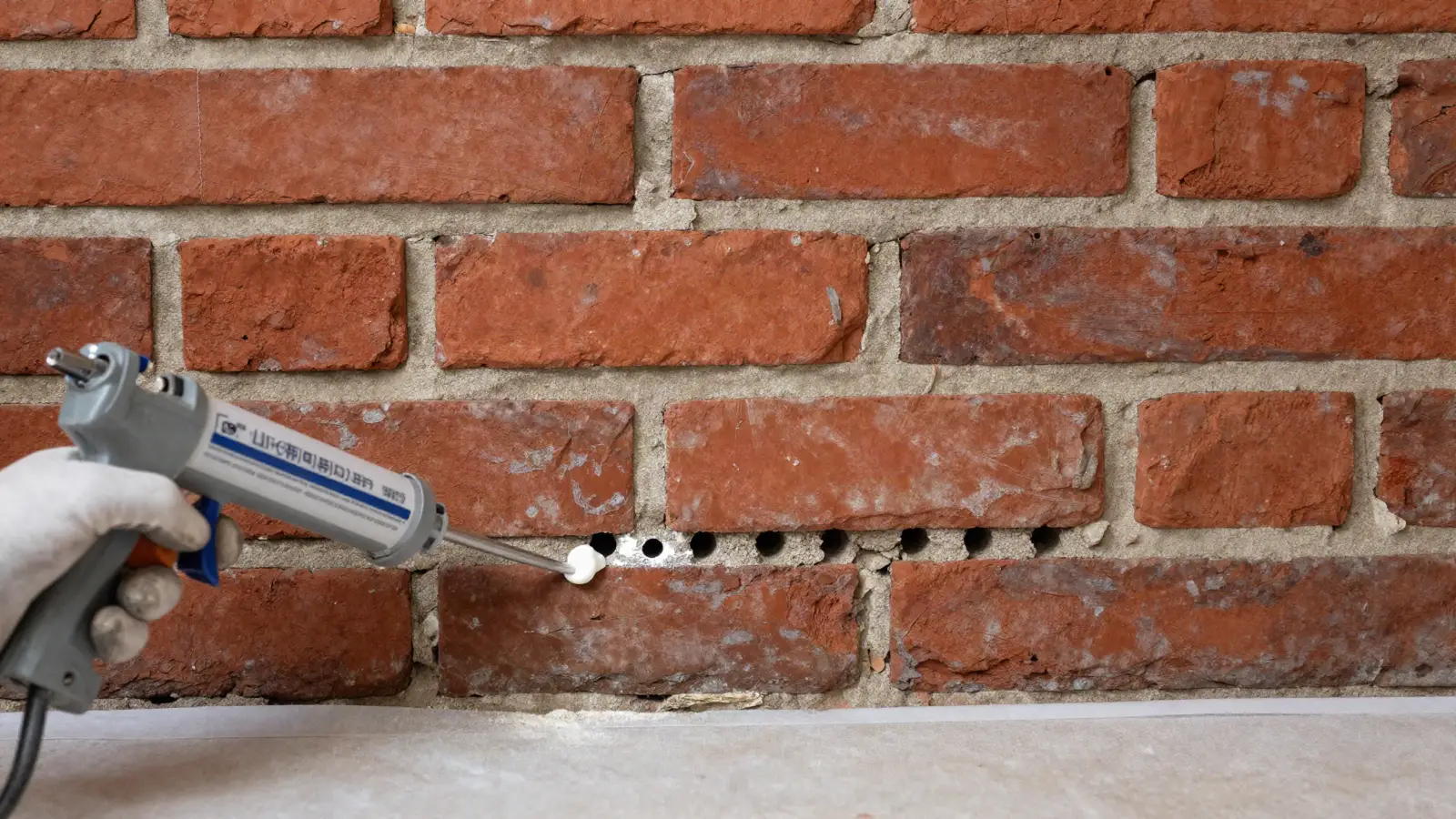
Very rarely in the way people expect. A new house already has a damp proof course and a floor membrane, so injecting a chemical DPC into a new build is almost never the answer. The fix is usually ventilation and heating, or correcting the defect that is letting water in.
A word of caution in the first two years: raise it with your builder and warranty provider before paying anyone else to do remedial work. NHBC's Buildmark excludes work done by anyone other than the builder and anything done to the home after completion. Work you commission yourself will not be covered, and it can complicate a claim for the original problem.
Where an independent specialist does help is diagnosis. If you and your builder disagree about whether a damp patch is "just condensation", a proper damp survey with a written report gives you clear evidence of the cause to put to the builder or warranty provider. And once the builder's two years are up, we can put right condensation and mould and penetrating damp problems directly.
Damp in your new build in Brighton or Sussex?
From flats in Brighton and Hove to new estates around Burgess Hill and Haywards Heath, we survey new builds across Sussex and give you a straight answer: drying out, condensation or a defect. Surveys start from £95 plus VAT, credited against any works. As a Biokil-approved contractor, our qualifying damp proofing work carries a 30-year guarantee. Call 01273 536 985 or get in touch.