Home Insulation: Save Money on Energy Bills and Reduce Damp & Condensation
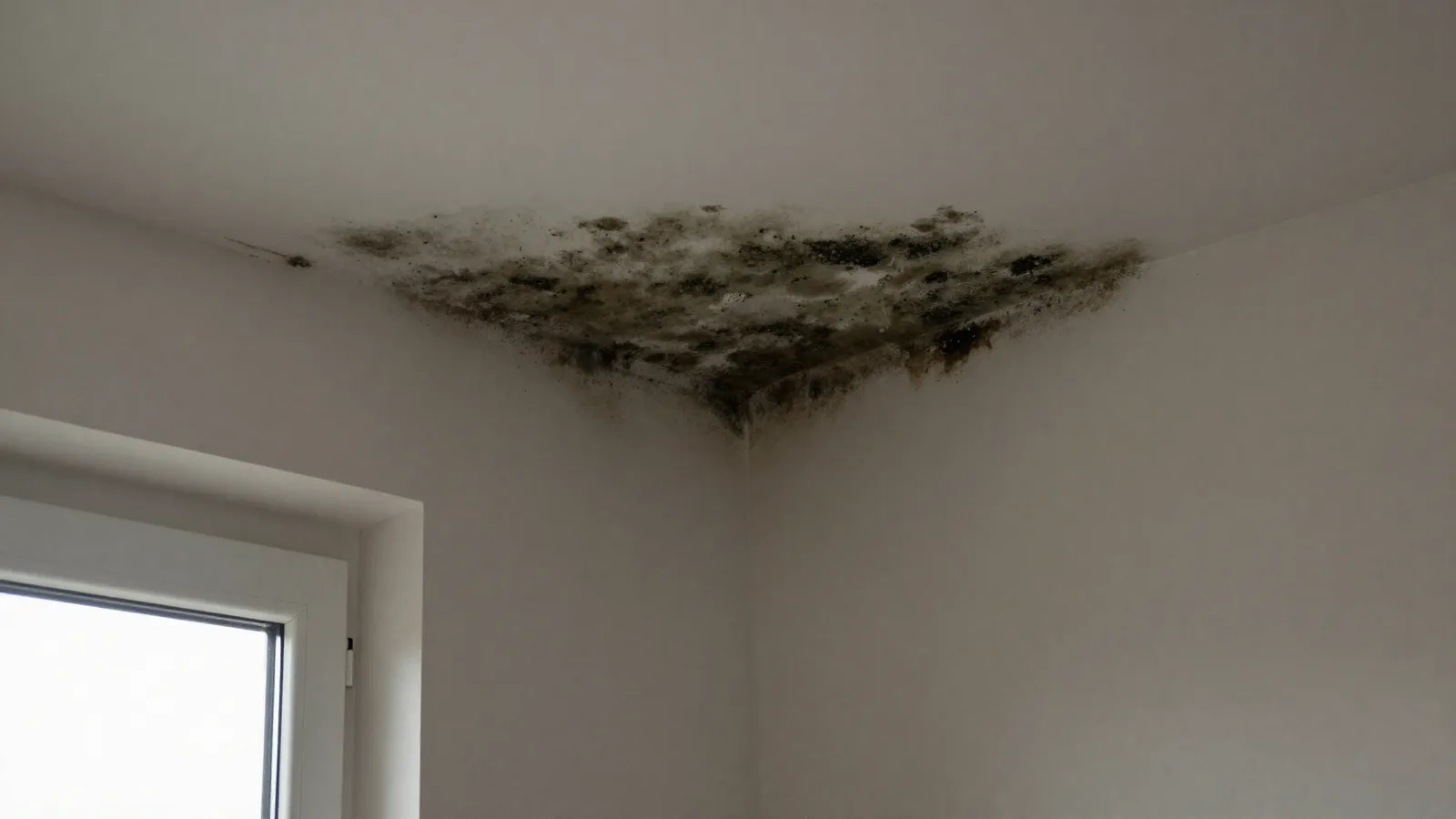
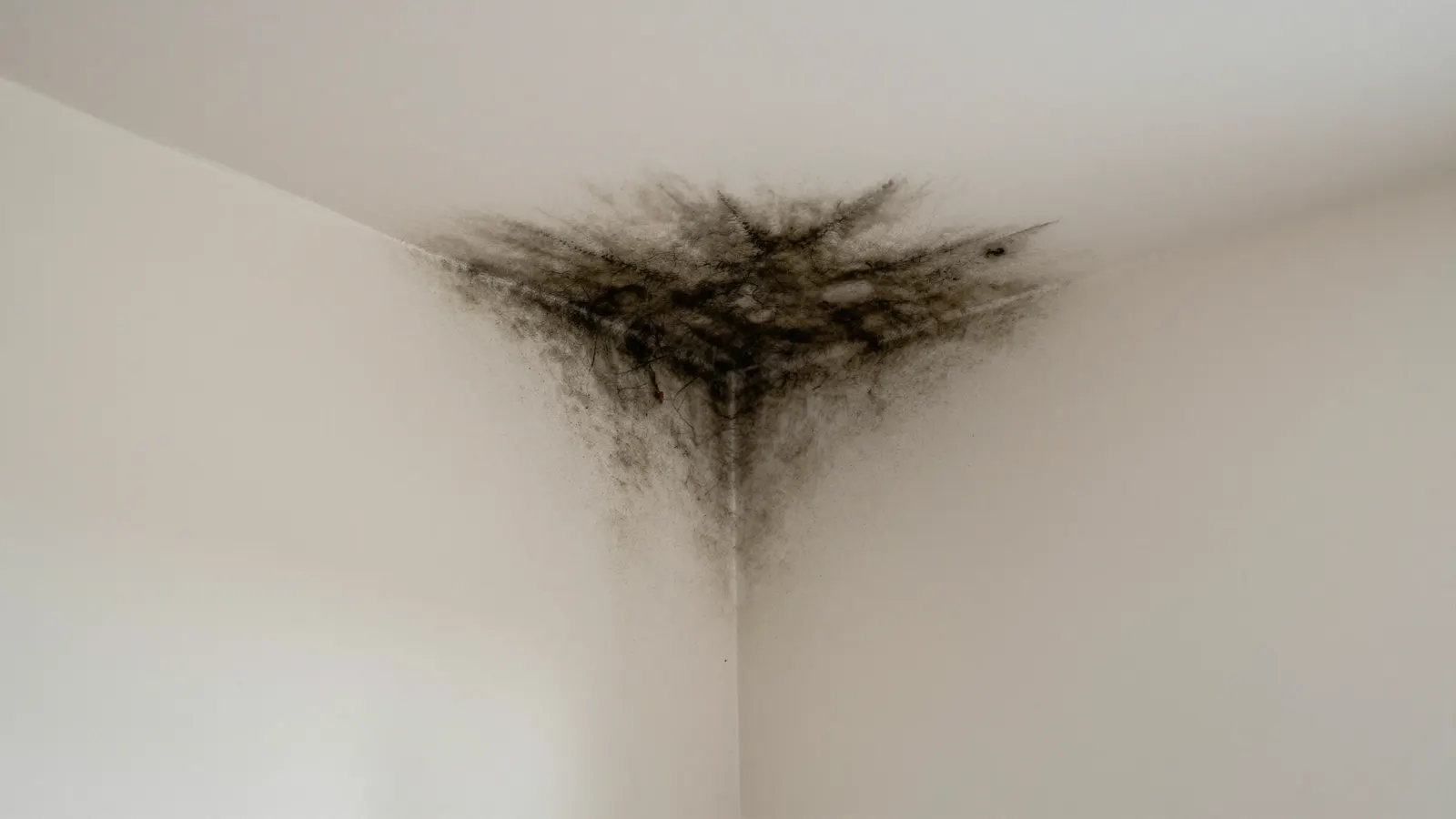
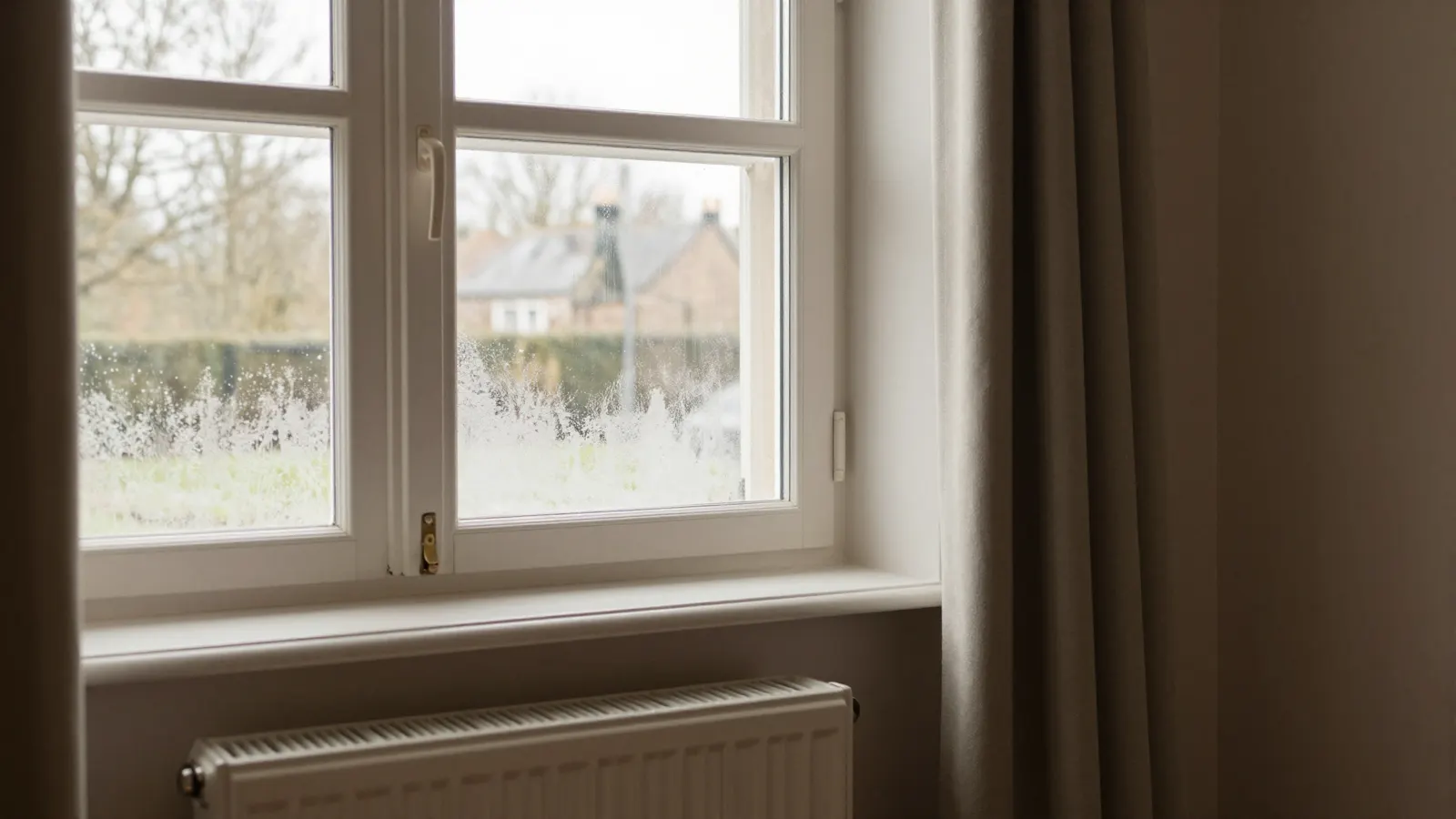
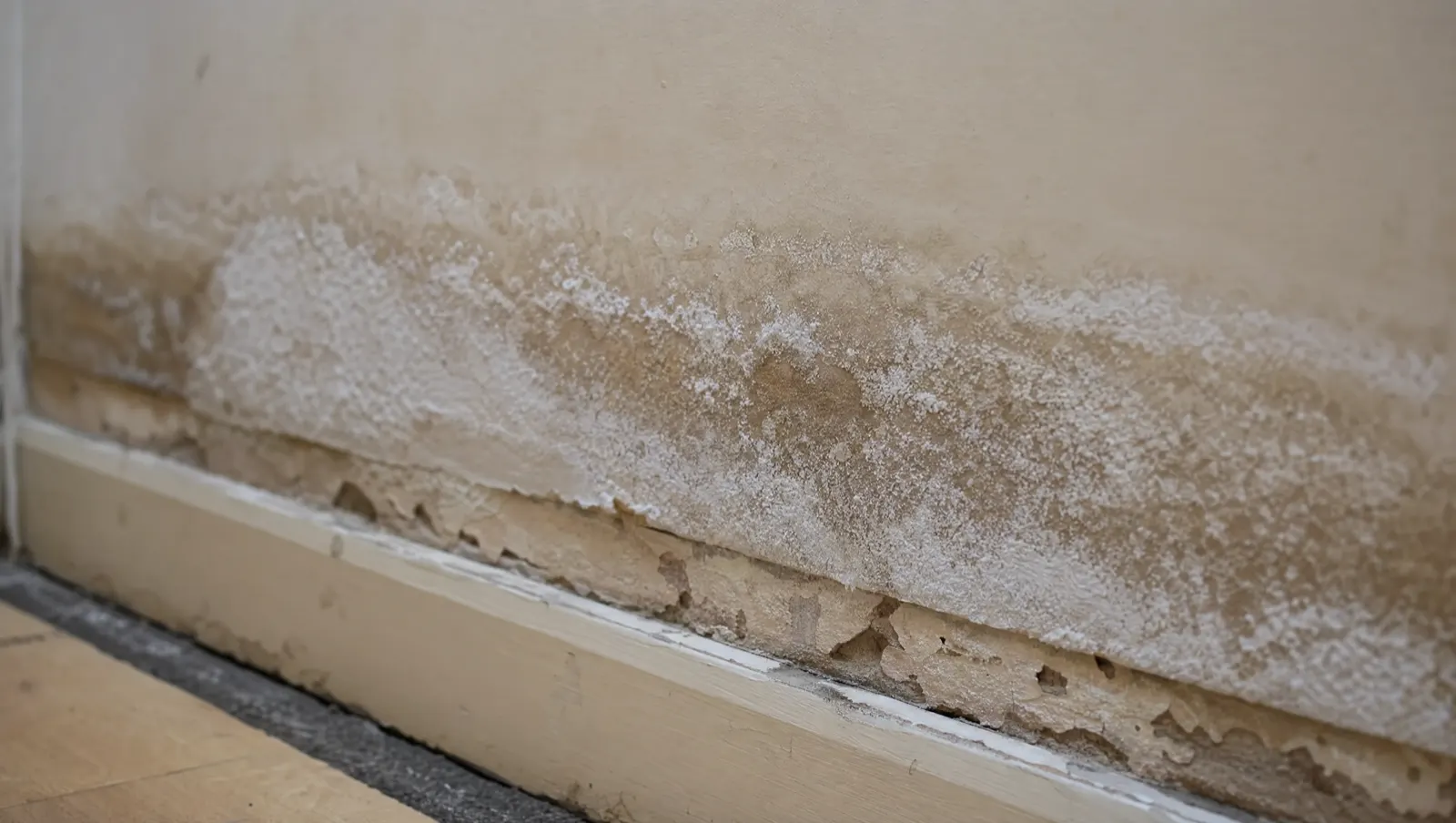
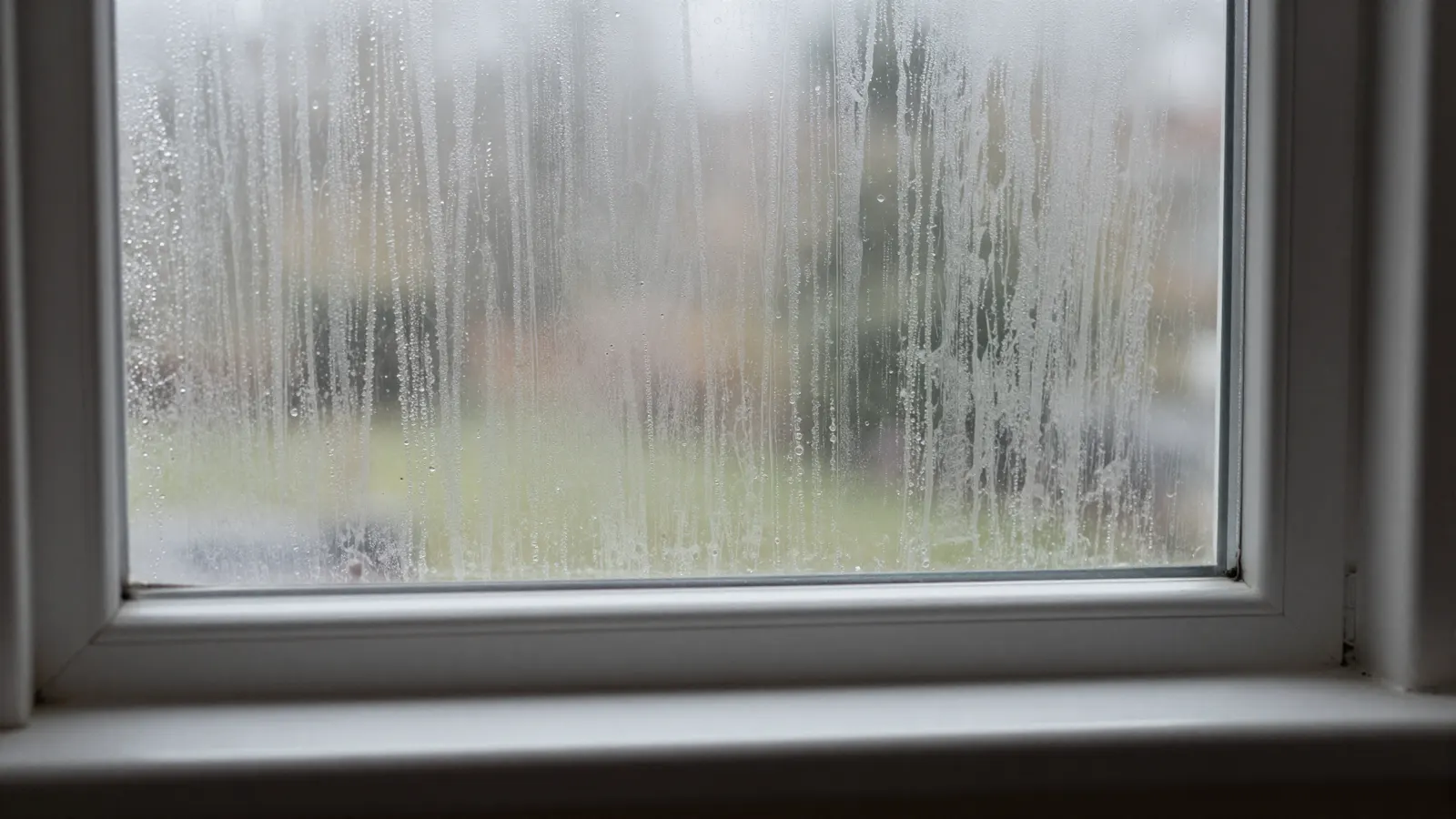
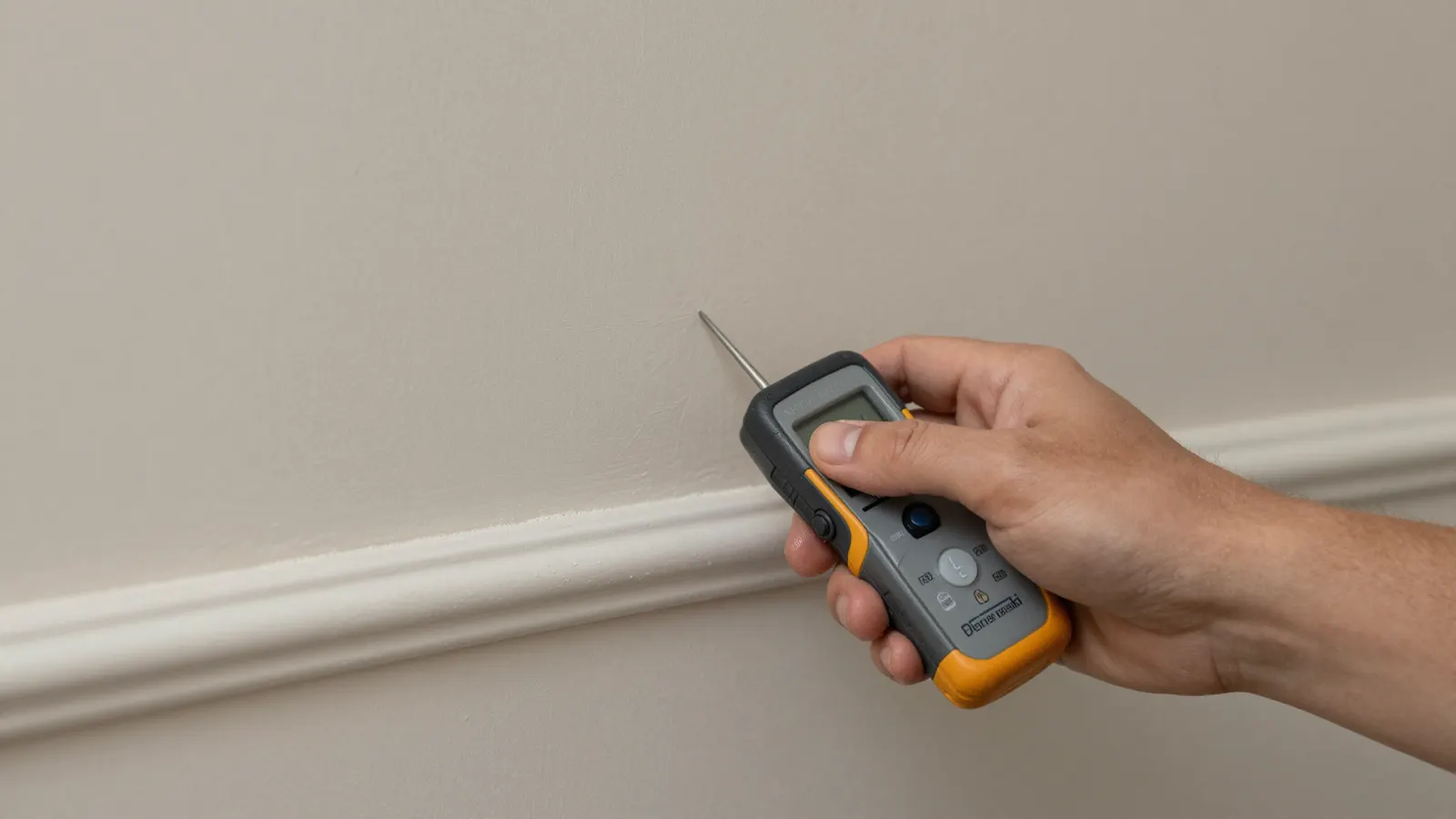
Improving insulation also plays a crucial role in reducing damp and condensation. By keeping internal wall and ceiling surfaces warmer, insulation limits the temperature differences that cause moist air to condense, which in turn reduces mould growth and musty conditions. A more stable internal temperature helps control humidity levels, creating an environment that is healthier for occupants and less hospitable to mould spores. This not only improves indoor air quality and reduces health risks associated with cold, damp homes, but also protects the building fabric by minimising moisture-related damage to plaster, timber, and internal finishes over the long term.
Insulation Saves You Money
A poorly insulated home loses heat rapidly through the roof, walls, and floors. This means your heating system has to work harder and for longer, driving up energy bills.
According to Energy Saving Trust:
Around 25% of heat is lost through an uninsulated roof
Up to 35% can be lost through uninsulated walls
By installing loft insulation, cavity wall insulation, or solid wall insulation, homeowners can significantly reduce heat loss. This results in:
Lower gas or electricity consumption
Reduced reliance on heating systems
Long-term savings that often outweigh the installation cost
In many cases, insulation upgrades can also improve a property’s EPC rating, which can increase resale value and make the home more attractive to buyers or tenants.
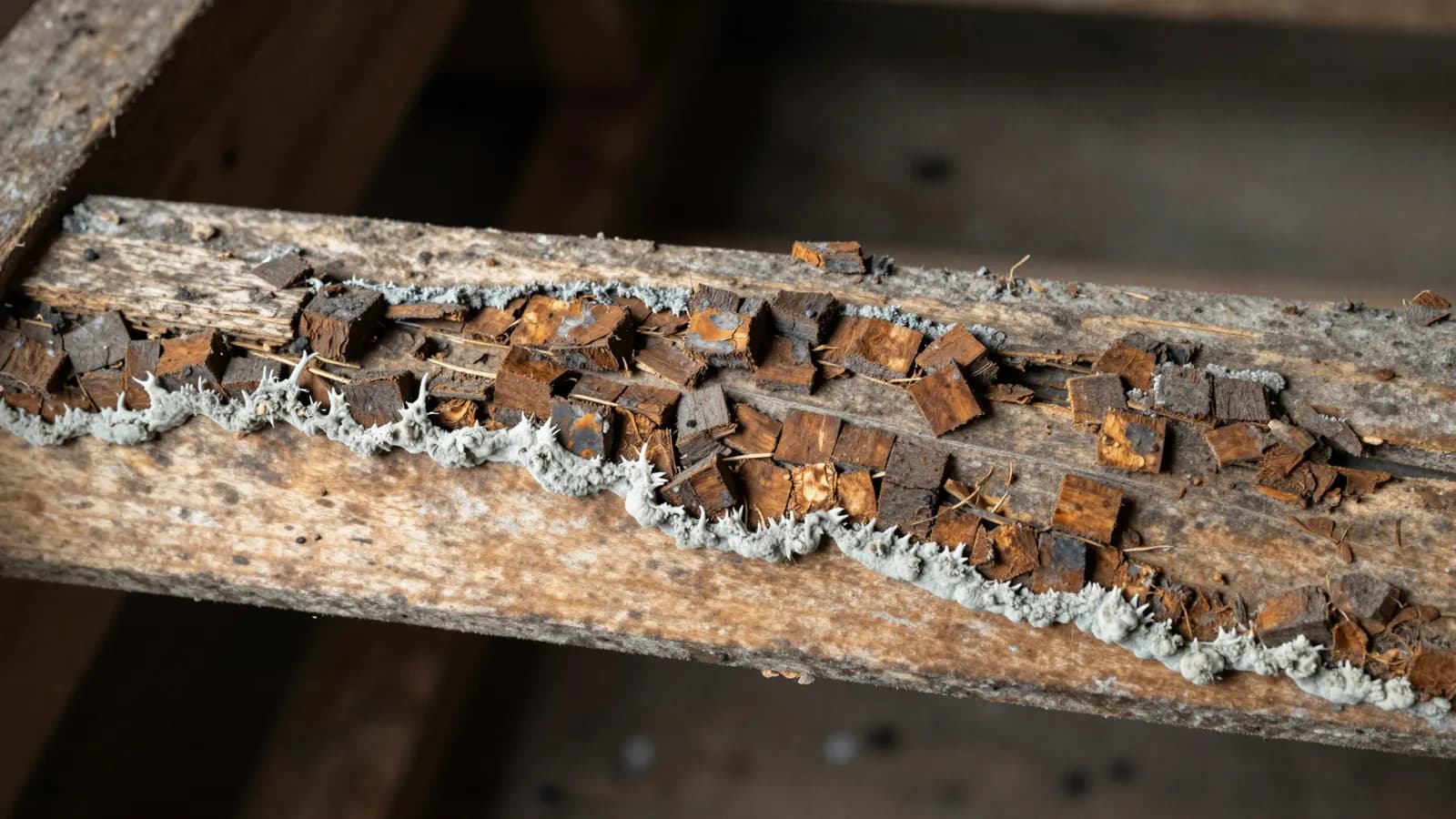
“Why Winter Is Wood-Rot Season — and How to Stop It”
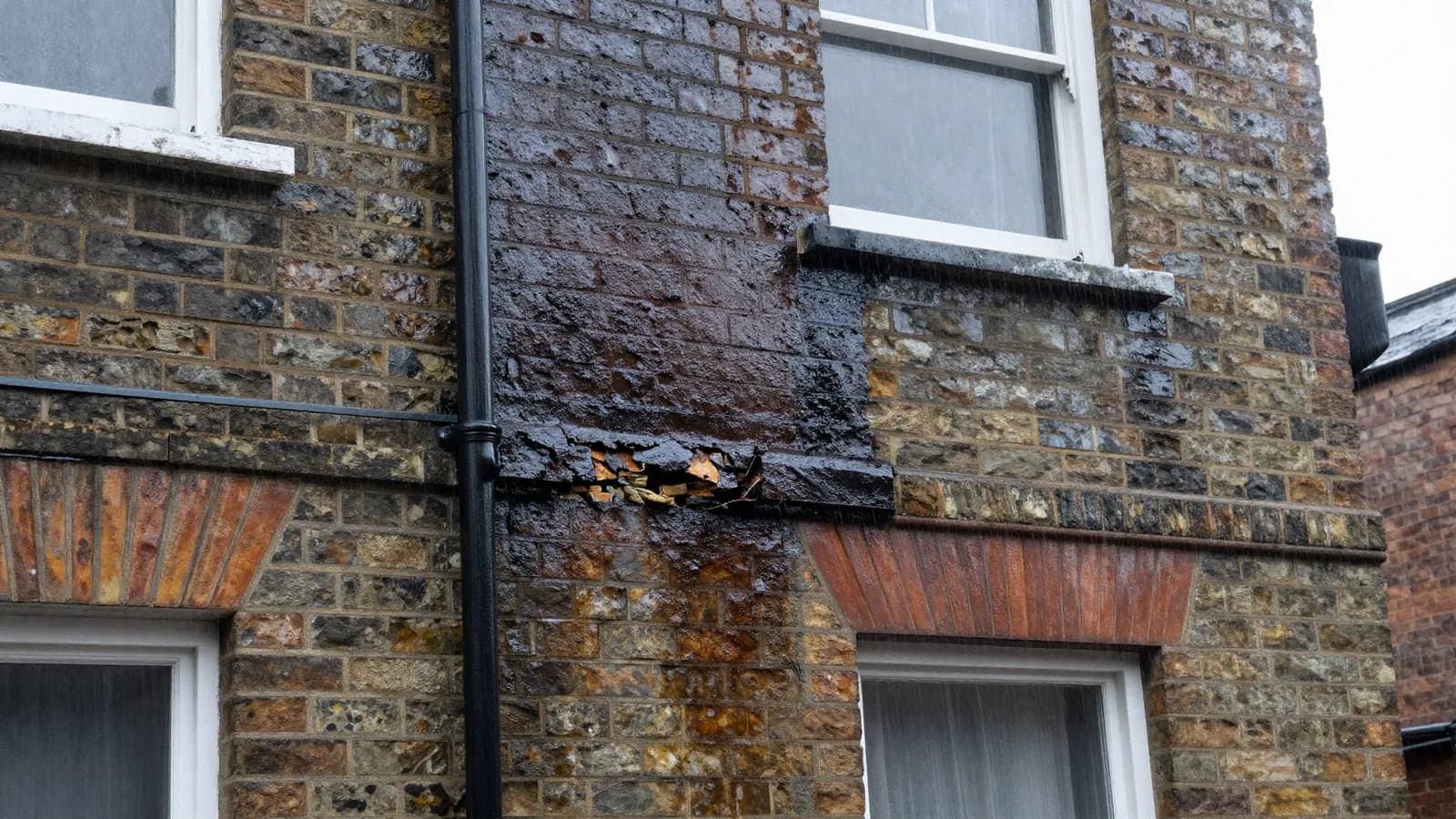
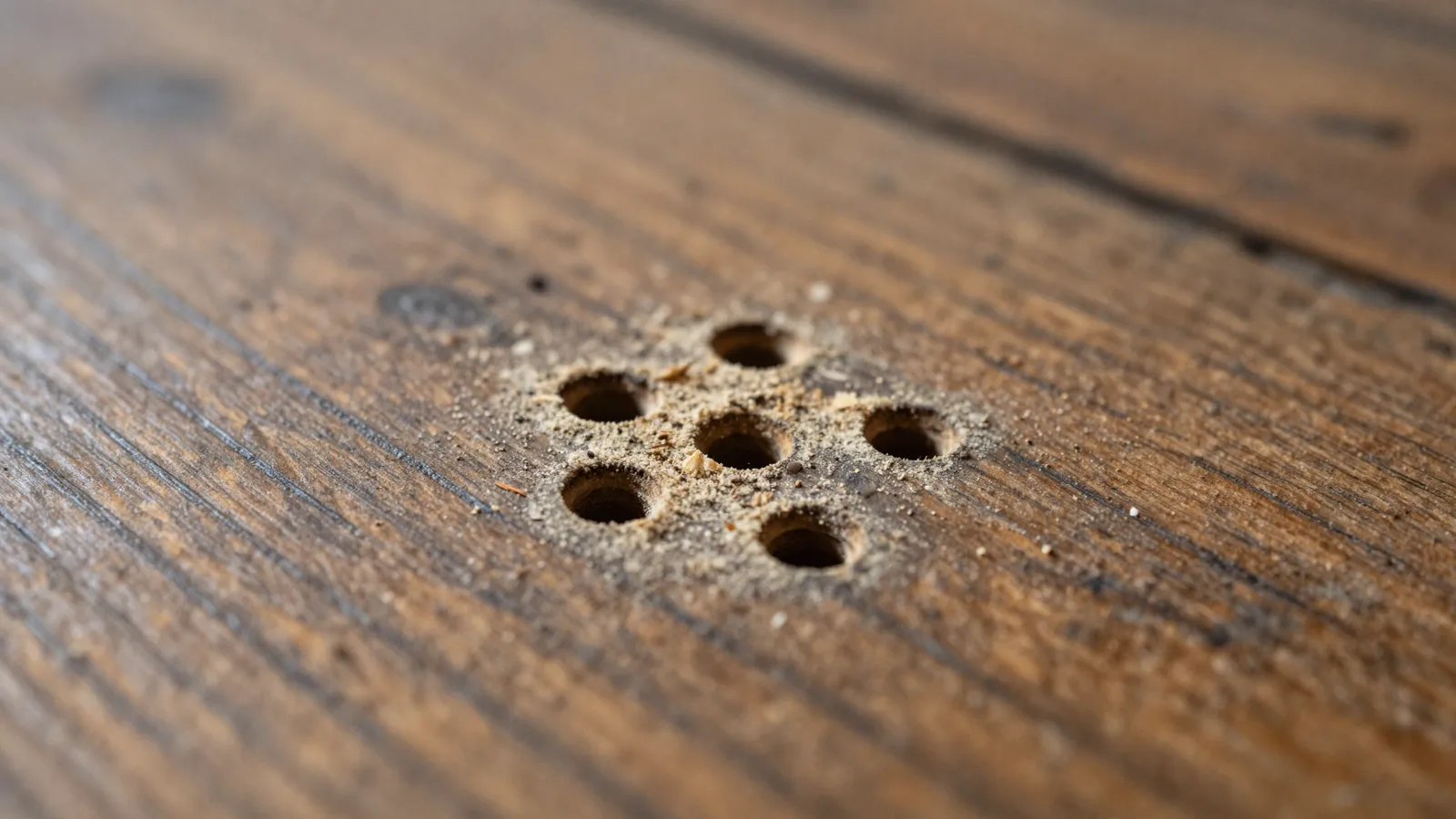
Wood rot gets much more common in winter because the fungi that cause it need moisture to survive and break down timber, and cold, wet conditions — rain, snow melt and high humidity — keep wood damp for longer periods, allowing fungal spores to germinate and decay the wood’s structure; wet rot thrives in high moisture and attacks timber in contact with water, while dry rot can develop in wood with elevated moisture (around 20–30 %) and spread aggressively once established. Wise Property Care+1 To minimise the risk, it’s vital to control moisture by fixing leaks, clearing gutters, improving drainage and ventilation so wood can dry out, and applying protective finishes or preservatives to exposed timber before winter sets in, because preventing damp is far more effective than trying to treat rot after it has started. TimberSol Regular inspections for early signs like softening, cracking or discolouration can catch problems before they become serious structural issues. ronseal.com
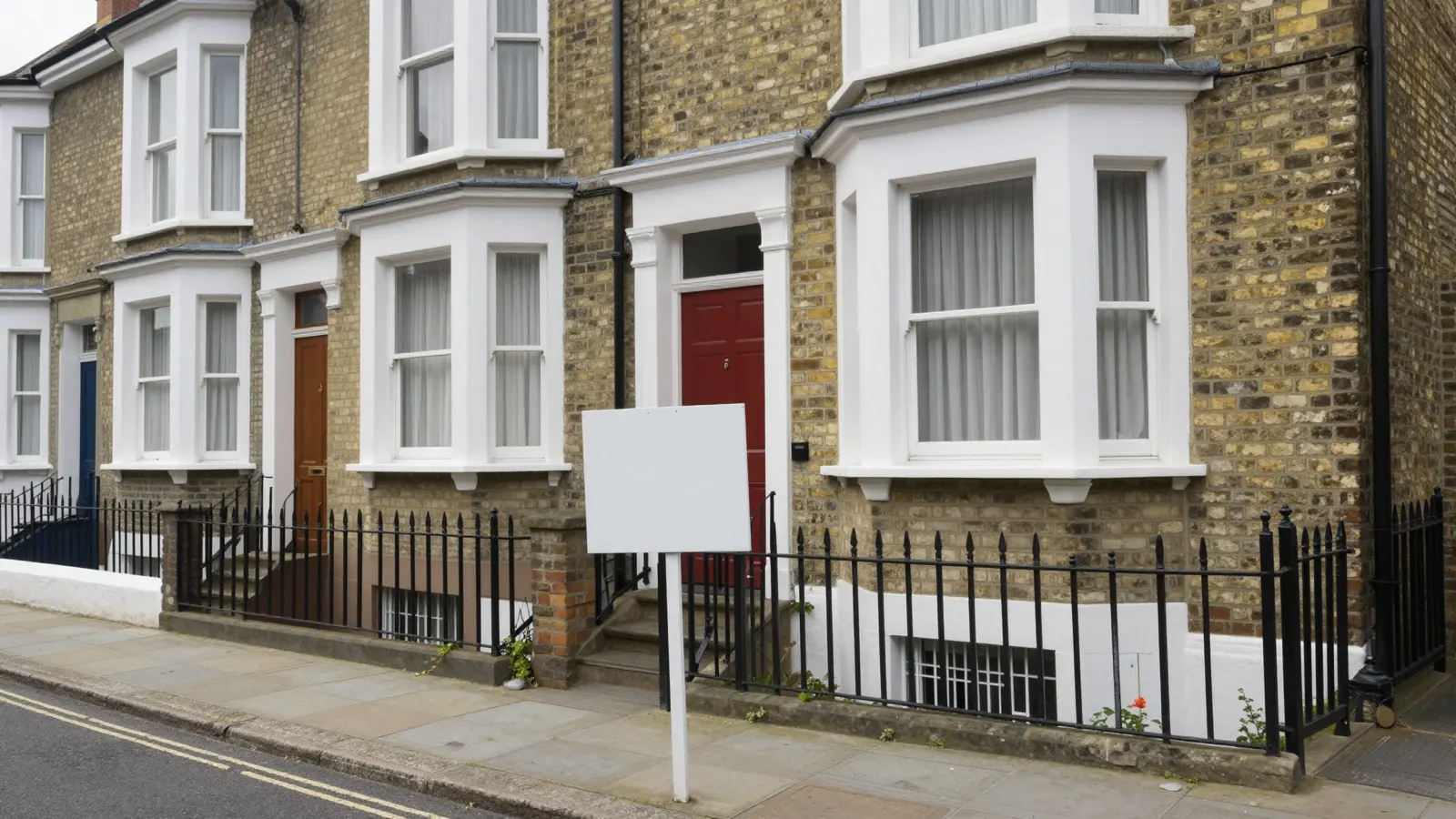
Why is my Victorian house Damp? Brighton and Hove
Victorian homes were never designed to be airtight. Their original features — draughty sash windows, ventilated subfloors, open fireplaces and breathable solid walls — created a natural airflow that kept moisture moving and prevented condensation and damp. Research from Historic England and the Centre for Alternative Technology highlights that traditional buildings rely on ventilation and vapour-permeable materials to stay dry; once airflow is reduced, moisture cannot escape and begins to accumulate. Solid walls built with lime mortar, open flues and original sash windows formed part of a system deliberately designed to “breathe,” allowing timber and masonry to dry naturally.
Today, many of these moisture-balancing features are sealed up with double glazing, blocked fireplaces, subfloor insulation and impermeable wall finishes. Guidance from Historic England and the Sustainable Energy Authority of Ireland warns that adding insulation or draught-proofing without providing compensatory ventilation can lead to interstitial condensation, mould and hidden timber decay — problems rarely seen in unaltered Victorian homes. Your 1895 property works well precisely because it retains its original ventilation paths: sash windows, uninsulated floors and open fires keep air moving, preventing damp. In many cases, those old-fashioned “draughts” are exactly what keep a period home healthy.
Sources:
Energy Efficiency and Historic Buildings: How to Improve Energy Efficiency
https://historicengland.org.uk/advice/technical-advice/energy-efficiency-and-historic-buildings/Secondary Glazing for Windows in Historic Buildings
https://historicengland.org.uk/images-books/publications/eehb-secondary-glazing-windows/Old, Cold and Damp? How to Improve Traditional Buildings
https://cat.org.uk/posts/old-cold-and-damp-how-to-improve-traditional-buildings/
Mould Testing – Protect Your Home and Health
At Brighton Damp Proofers, we provide professional mould testing to help identify hidden issues, protect your indoor air quality and ensure your home is safe after any damp or mould treatment.
Why Mould Testing Is Important
1. Detects Hidden Mould Growth
Mould often forms in places you can’t see—behind plasterboard, under flooring, in loft spaces and within wall cavities. Our mould testing reveals hidden contamination early, helping prevent damage and costly repairs.
Sources: UCL study (Brambilla et al., 2022); PuroClean.
2. Protects Your Health
Exposure to mould can cause breathing difficulties, allergies and worsen existing conditions such as asthma. Testing provides clear, measurable evidence of airborne spores so we can accurately assess any health-related risks.
Sources: UK Government guidance; Sauni et al. (PMC).
3. Confirms Successful Remediation
After mould removal or damp-proofing works, testing verifies that the home is safe, dry and free from elevated spore levels. This gives you confidence that the problem has been fully resolved.
Sources: UKCMB; QCI.
Professional, Accurate and Reliable
Our testing is carried out as part of a full damp and mould assessment, giving you clear results and practical recommendations tailored to your property.
How to Spot a Cowboy Builder
A quick guide for Sussex homeowners
Choosing the right contractor can save you thousands of pounds in repairs and months of frustration. Unfortunately, the building and damp-proofing industry has its fair share of “cowboy builders” — companies who cut corners, use the wrong methods, or simply don’t deliver what they promise. Here’s how to protect yourself.
1. Vague or Rushed Surveys
A reputable surveyor will take time to inspect the property properly, measure moisture levels, assess external defects, and explain why problems are happening.
Cowboy builders tend to arrive, take a quick look, and jump straight to a diagnosis like “rising damp” without evidence.
2. One-Size-Fits-All Solutions
Sussex homes vary hugely — bungaroosh walls, Victorian terrace construction, coastal exposure, cracked render and salt contamination are all common issues.
If a company always recommends the same treatment — usually a chemical injection — regardless of the building type or condition, that’s a red flag. Good contractors tailor solutions to the property, not to their sales targets.
3. No Detailed Written Quote
A proper quote should include:
a clear breakdown of work
materials and systems to be used
why those methods are appropriate
timescales
proper guarantees and insurance information
Cowboy builders simply give a price with little or no detail, leaving homeowners exposed when problems return.
4. High-Pressure Sales Tactics
Be wary of anyone who pushes you to “book today for a discount” or asks for a large upfront payment before providing paperwork.
Professional companies never rely on pressure to secure work.
5. Unrealistic Claims or Guarantees
If something sounds too good to be true — such as promises to “eliminate damp permanently” with a quick fix — it usually is.
Damp issues require proper diagnosis and correct building methods, not miracle cures.
6. Poor Credentials or No Insurance
Always ask for proof of:
public liability insurance
experience or qualifications
previous work or references
Cowboy builders often avoid providing this information.
Why This Matters
Cowboy builders don’t just waste money — they often leave properties in a worse condition than before. In Sussex, where cracked render, coastal weathering, and older construction methods make damp more complex, choosing the right specialist is essential.
If a company focuses more on selling a product than understanding your home, proceed with caution.
External Insulation & Cost Benefits.
Insulating your home is one of the most effective ways to reduce heat loss, cut energy bills and improve comfort. According to University of Salford research, retrofitting solid-walled homes with proper insulation can reduce space-heating energy use and heat loss by as much as 50 %, and for many homes lead to annual energy-bill savings of up to 30 %. University of Salford
The Energy Saving Trust explains that an uninsulated home typically loses roughly 25 % of its heat through the roof, 33 % through the walls and 10-20 % through the floor—so enhancing wall, roof or floor insulation can make a major difference. Energy Saving Trust
From a national-policy perspective, as reported by UK Green Building Council experts, better home insulation could play a key role in reducing fuel poverty, lowering thousands of people’s heating bills (around £700 per year on average per home) and helping the UK meet its net-zero targets. The Guardian
In practical terms, insulation not only saves money and energy but also improves the quality of living spaces: fewer cold spots, less reliance on heating systems, reduced risk of condensation and mould in walls, and a generally healthier indoor environment. The benefits are especially meaningful in older homes with solid walls or limited insulation, where the gains are greatest.
For any homeowner or specialist surveyor, specifying the right insulation scheme—whether internal, external or a combined approach—is essential to unlocking those energy-, cost- and comfort-benefits.
Awaab’s Law – What It Means for Damp and Mould Repairs in Rental Housing |
From 27 October 2025, a new housing law comes into force that will hold social landlords to account when it comes to damp and mould.
Known as Awaab’s Law, it was introduced after the tragic death of two-year-old Awaab Ishak, who died from exposure to mould in his family’s flat in Rochdale. His story prompted national outrage and led to a complete rethink of how social housing providers deal with these hazards.
What are the New Legal Requirements?
Under Awaab’s Law, social landlords — including councils and housing associations — must now:
✅ Inspect reports of serious damp, mould or other health hazards within 10 working days.
✅ Provide written findings to the tenant within 3 working days of the inspection.
✅ Fix emergency hazards (where there’s an immediate risk to health) within 24 hours.
✅ Make homes safe within 5 working days for other damp or mould problems that pose health risks.
Although the law currently applies to the social housing sector, the government has confirmed that private landlords will face similar obligations in the near future.
Why Does This Matter?
This law is about more than repairs — it’s about protecting people’s health.
Prolonged exposure to damp and mould can lead to respiratory illness, asthma, and long-term health problems, especially for children and the elderly.
For tenants, Awaab’s Law brings stronger rights and clearer timescales.
For landlords, it sets strict deadlines and legal responsibility to act quickly — failure to comply could lead to legal action, fines, or compensation claims.
Landlords Should:
If you manage or own social housing, make sure you’re ready:
Have a clear damp and mould response procedure in place.
Keep written records of inspections and repairs.
Address the root cause — don’t just paint over mould.
Work with qualified damp specialists who can provide reports and certified remediation work.
What Can Tenants Expect?
If you’re a tenant in social housing, you now have the right to expect:
An inspection within 10 working days of reporting a damp or mould issue.
A written report within 3 working days of that inspection.
Repairs completed within 5 days, or 24 hours for emergencies.
If your landlord doesn’t act, you can raise the issue with your local council or the Housing Ombudsman.
How Brighton Damp Proofers Can Help!
At Brighton Damp Proofers, we’ve been dealing with damp and mould problems across Brighton and the South East for years. We welcome Awaab’s Law because it ensures these issues are taken seriously — and fixed properly.
We help landlords, housing providers, and tenants by providing:
Professional damp and mould inspections
Detailed reports that meet legal and professional standards
Root cause analysis – whether it’s rising damp, condensation, or penetrating damp
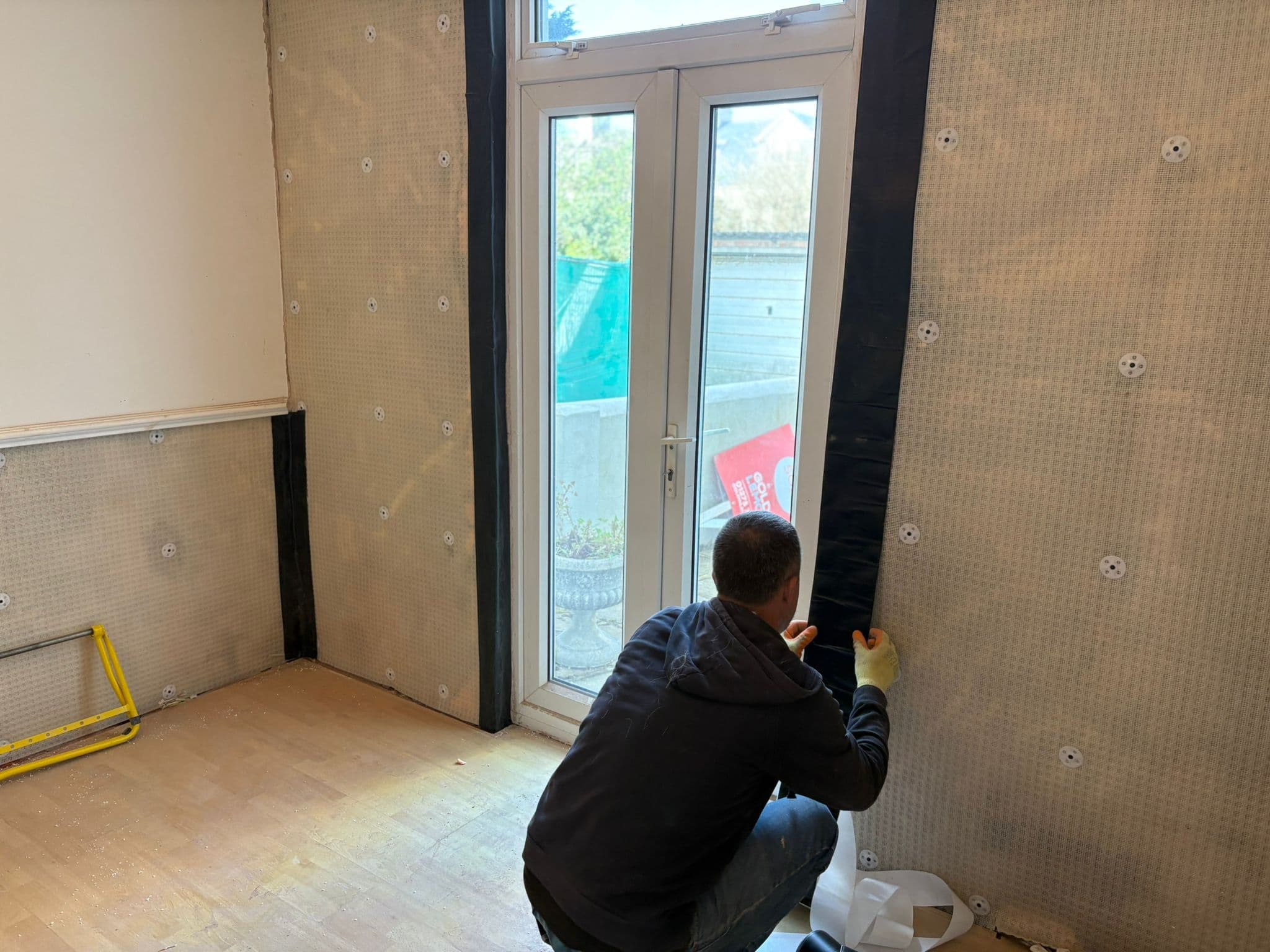
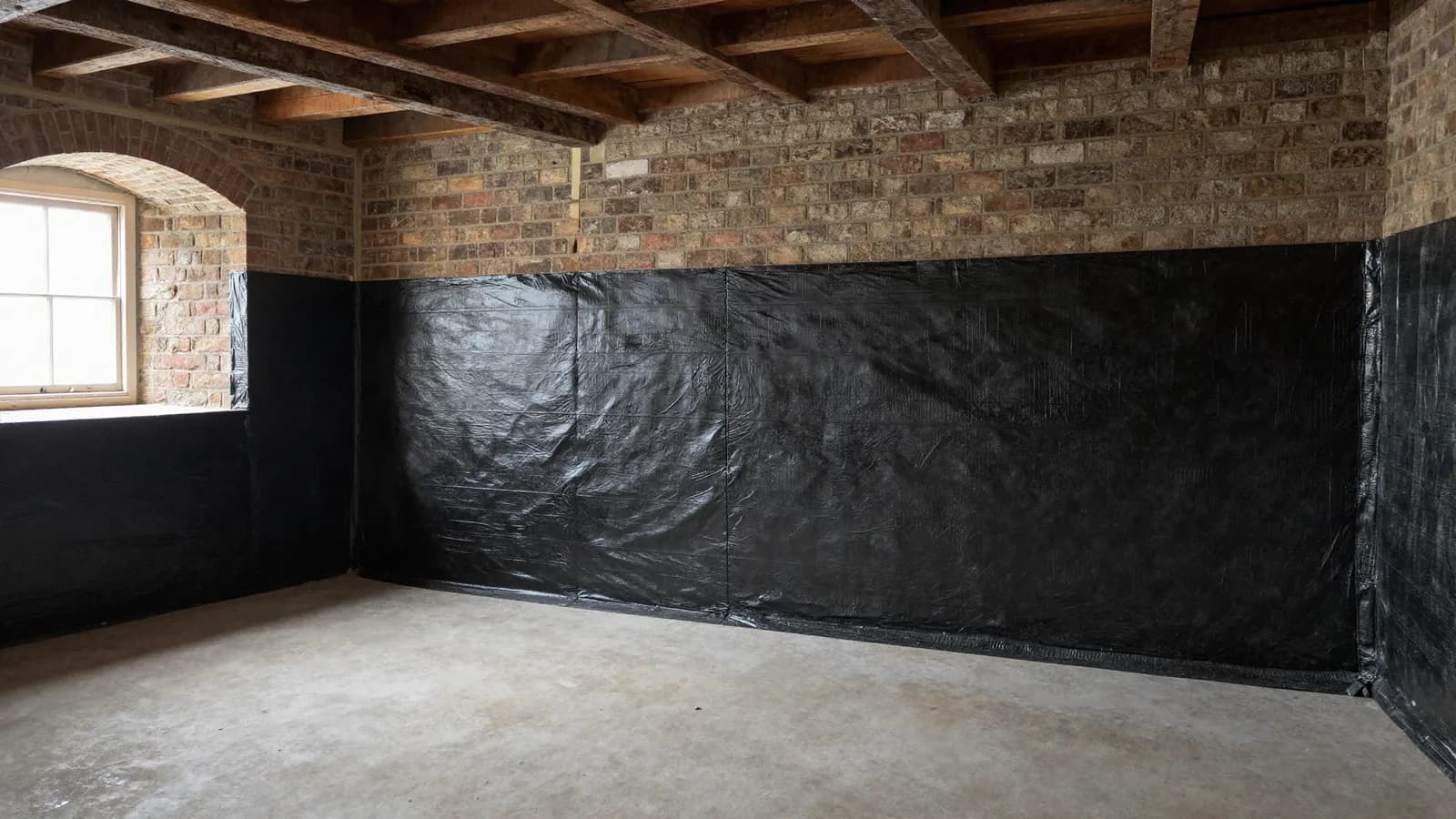
Remedial works using trusted systems such as Newton Membrane and specialist mould treatments
Ventilation and prevention solutions to stop the problem returning