Rising damp is one of the most common structural issues affecting older properties across Sussex and the UK. It occurs when groundwater travels upward through porous masonry by capillary action, gradually saturating your walls. Left untreated, rising damp can cause serious damage to plaster, decorations, and even the structural timber within your home. Understanding how to spot it early can save you thousands in repair costs.
The Tell-Tale Signs of Rising Damp
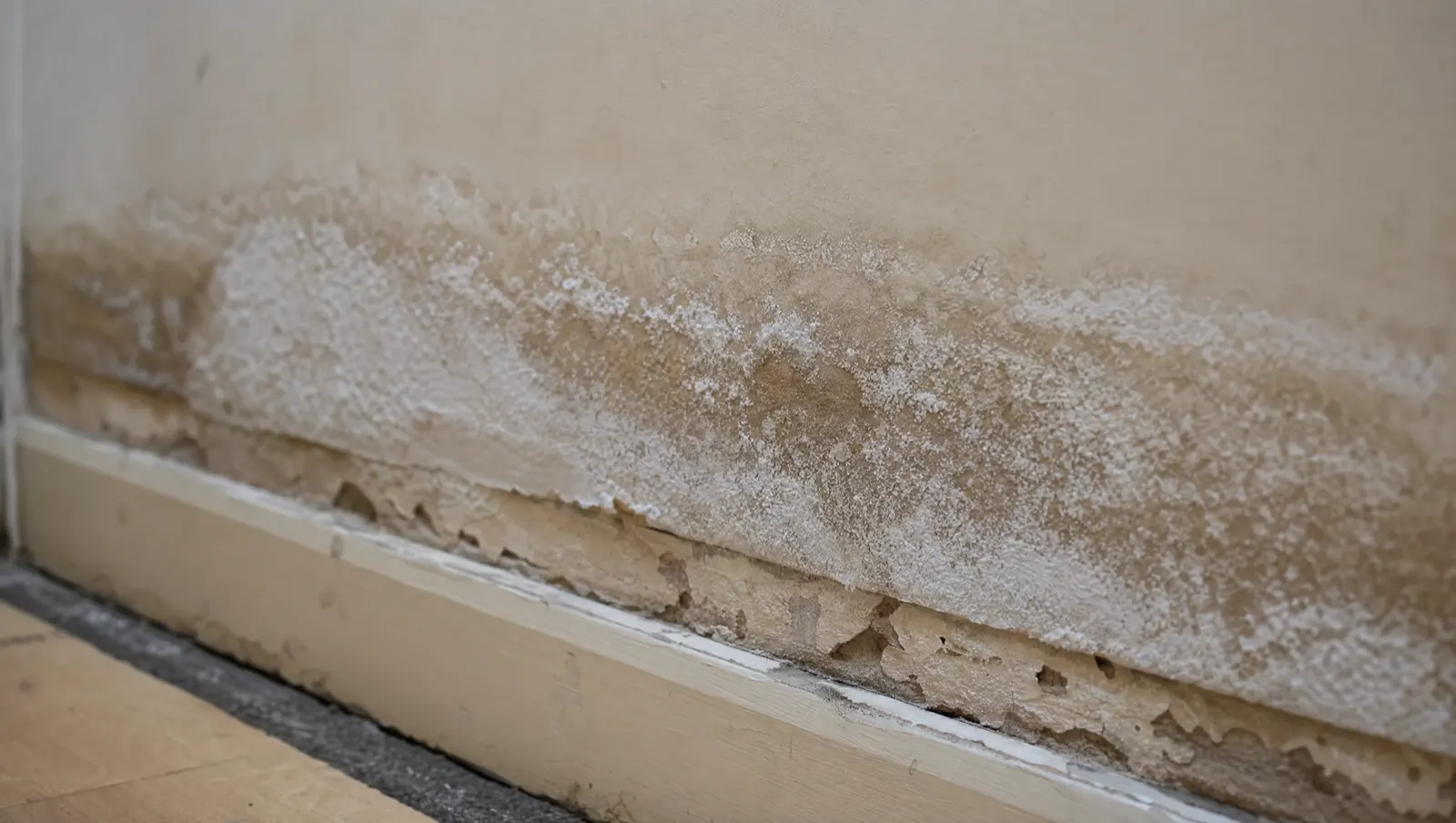
The most obvious sign of rising damp is a tide mark on your internal walls, typically up to about one metre from floor level. This mark often appears as a yellow or brown stain and may be accompanied by white salt deposits known as efflorescence. These salts are drawn from the ground and deposited on the wall surface as the moisture evaporates.
Alongside the tide mark, watch for these common symptoms:
- Peeling wallpaper at skirting level
- Blistering or flaking paint
- A persistent musty smell in affected rooms
- White, powdery salt deposits on the wall surface
If you see a horizontal tide mark and salting at the base of a wall, that band of moisture is rising damp's signature — concentrated low down, not high up.
Rising Damp vs Condensation
It is important to distinguish rising damp from condensation and mould, which is far more common. Condensation tends to appear on cold surfaces such as windows, external walls, and in the corners of rooms, often accompanied by black mould. It is typically worse in winter and in rooms with poor ventilation, such as bathrooms and kitchens.
Rising damp, by contrast, is present year-round and is concentrated at the base of walls rather than on upper surfaces. If you are unsure which problem you are facing, our guide on Condensation vs Damp breaks down the differences in more detail, and if mould is your main concern, see our article on Black Mould on Walls.
Rising Damp vs Penetrating Damp
Another condition often confused with rising damp is penetrating damp, which occurs when water enters through the external fabric of the building. This could be caused by:
- Faulty or blocked guttering
- Cracked render
- Damaged pointing
Penetrating damp usually appears as localised wet patches that worsen during heavy rain, whereas rising damp produces a more consistent, horizontal band of moisture.
Why You Need a Professional Survey
If you suspect rising damp, the best course of action is to arrange a professional damp survey. A qualified surveyor will use a calibrated moisture meter and, if necessary, take samples for laboratory analysis to confirm the presence of rising damp rather than another type of moisture ingress.
A meter reading on its own is not a diagnosis. Confirming rising damp means ruling out condensation and penetrating damp first.
Our surveys start from £95 plus VAT, and that fee is credited against any works you go ahead with — so there is no reason to delay getting a professional opinion.
Treatment and Long-Term Protection
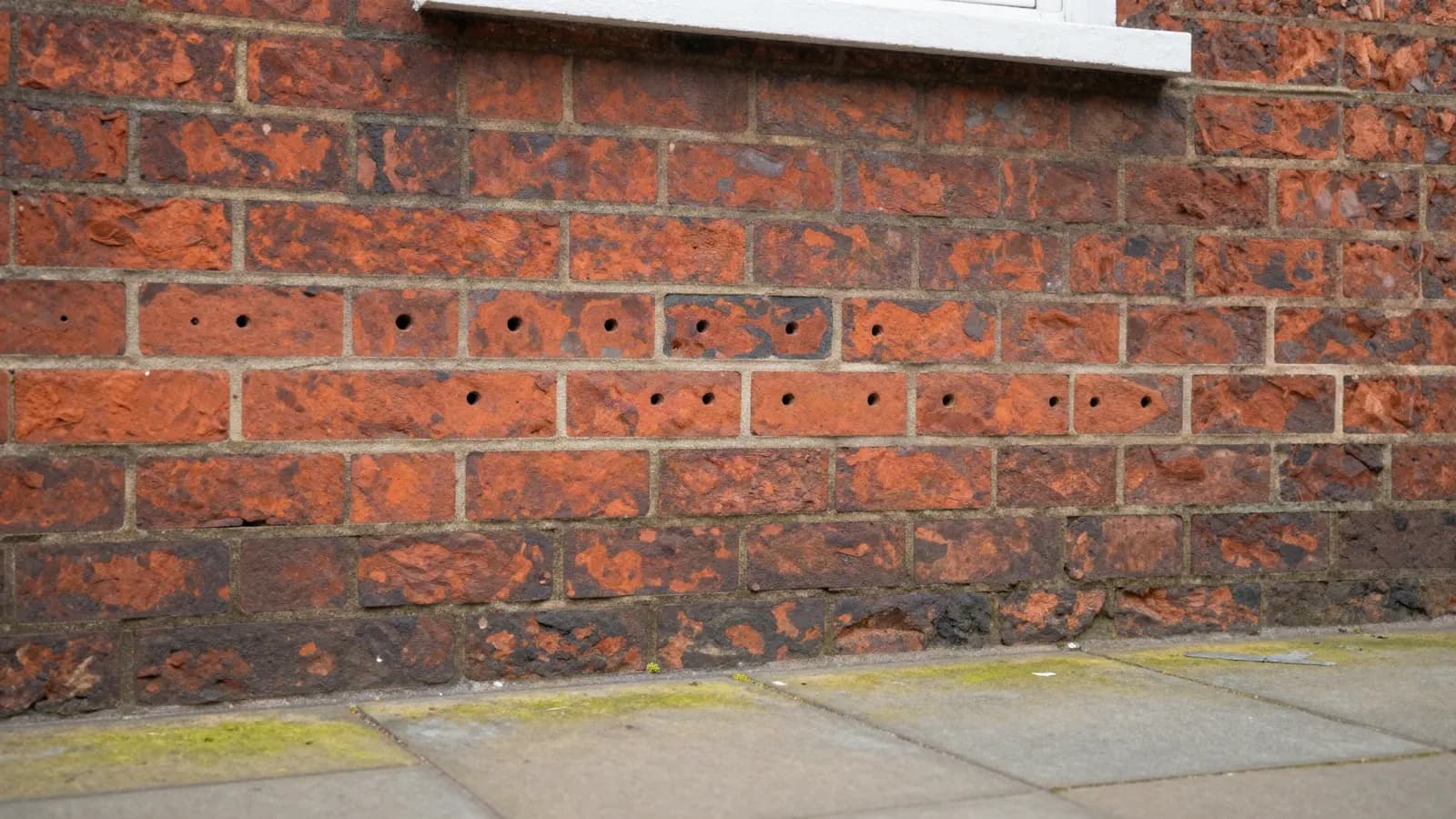
Early intervention is key. If rising damp is confirmed, rising damp treatment typically involves injecting a chemical damp-proof course into the affected walls. This creates a barrier that prevents moisture from travelling upward.
Combined with replastering using salt-resistant render, this treatment provides a long-lasting solution that protects your property for decades to come. As a Biokil-approved contractor, our work is backed by a 30-year guarantee.
Spotted the Signs? Talk to Us
If you have noticed a tide mark, salting, or that unmistakable musty smell at skirting level, do not wait for the damage to spread. Contact us to arrange a professional survey, or call our team on 01273 536 985 for friendly, no-pressure advice on the next steps for your property.