One of the most common questions we hear from homeowners dealing with damp is whether their home insurance will cover the cost of treatment. The short answer is that it depends on the cause of the damp and the specific terms of your policy. Understanding the distinction between insured perils and maintenance issues is key to knowing where you stand.
What Home Insurance Typically Covers
Most standard home insurance policies cover damage caused by sudden and unforeseen events, known as insured perils. These typically include:
- Burst pipes
- Storm damage
- Flood damage
- Escape of water from fixed installations
If a pipe bursts behind a wall and causes damp damage to your plaster and decorations, your buildings insurance should cover the cost of repairs, including drying out the affected area and making good the damage.
Insurers cover the unexpected, not the inevitable. A burst pipe is an accident; a wall that has been quietly absorbing moisture for years is maintenance.
What Insurers Usually Exclude
However, insurers generally do not cover damp that results from gradual deterioration, lack of maintenance, or wear and tear. The following are all typically excluded:
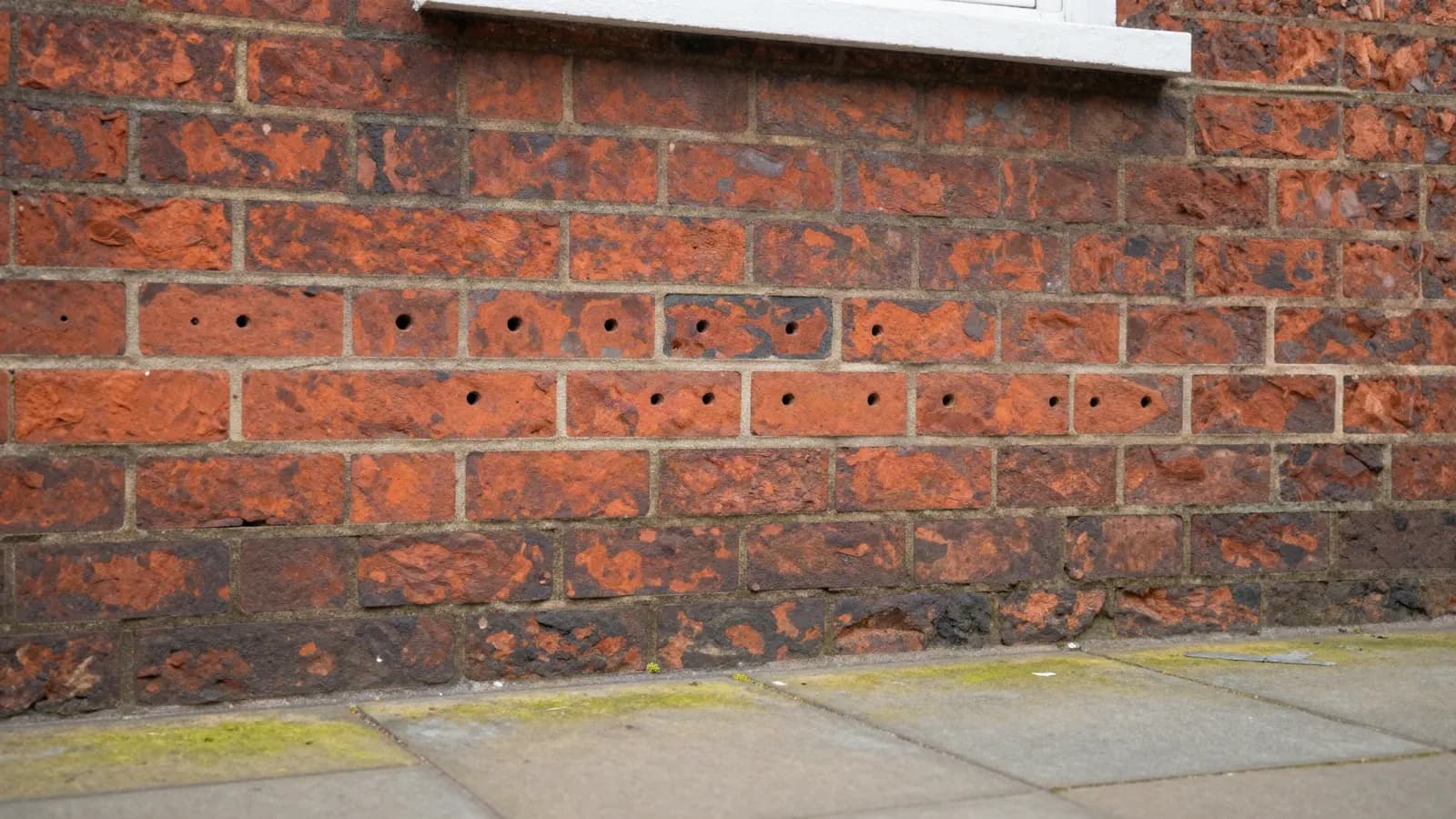
- Rising damp caused by a failed damp-proof course
- Condensation caused by poor ventilation
- Penetrating damp caused by deteriorating pointing or cracked render
Insurers view these as maintenance responsibilities that fall on the homeowner. If your gutters have been leaking for months and water has been soaking into the wall, the resulting damp damage is unlikely to be covered. If you suspect any of these issues, a rising damp treatment assessment or penetrating damp repairs survey will pinpoint the true cause.
The Grey Areas
There are some grey areas where the line between an insured event and neglect becomes blurred:
- Storm damage leading to penetrating damp. If storm damage to your roof leads to penetrating damp, the storm damage itself is an insured peril and the resulting damp should be covered.
- Hidden plumbing leaks. If a hidden leak in your plumbing has been causing damp that you were not aware of, some insurers will cover the damage even though the leak was not sudden.
The key is demonstrating that the cause was an insured event rather than neglect.
How to Make a Successful Claim
If you are making a claim, it is important to act quickly. A clear, well-evidenced claim is far more likely to succeed:
- Document the damage with photographs as soon as you notice it.
- Report the claim to your insurer promptly.
- Get a professional survey to establish the cause.
A specialist damp survey report from an experienced surveyor carries weight with insurers and loss adjusters, as it provides an independent assessment of the cause and extent of the problem. To understand exactly what that inspection covers, see What Does a Damp Survey Involve?. We regularly provide reports that support insurance claims for our clients across Sussex.
A specialist survey report is the strongest evidence either way — it tells you, and your insurer, precisely what caused the problem.
Why You Should Act Whatever the Outcome
Whether or not your damp is covered by insurance, addressing it promptly is always the right course of action. Left untreated, damp causes progressive damage to plaster, timber, and structural elements that becomes increasingly expensive to remediate.
If your insurer declines your claim, the cost of professional treatment now will almost certainly be less than the cost of repairing extensive damage later. For a sense of the figures involved, our guide to How Much Does Damp Proofing Cost in Brighton & Sussex? breaks down typical prices. We offer competitive quotes and flexible payment options to help make treatment accessible. As a Biokil-approved contractor, our remedial work is backed by a 30-year guarantee, and surveys start from £95 plus VAT, credited against any works carried out.
Get an Independent Assessment
If you are dealing with damp and need an independent report to support an insurance claim — or simply want to know the true cause before deciding what to do next — contact us today. Call 01273 536 985 to arrange a survey and get clear, professional answers you can rely on.