Many homeowners across Brighton and Sussex contact us concerned about damp in their property, only to discover that the real culprit is condensation. While both can cause damage to your home and affect your health, they have very different causes and require different solutions. Understanding which one you are dealing with is the first step toward resolving the problem effectively.
What Is Condensation?
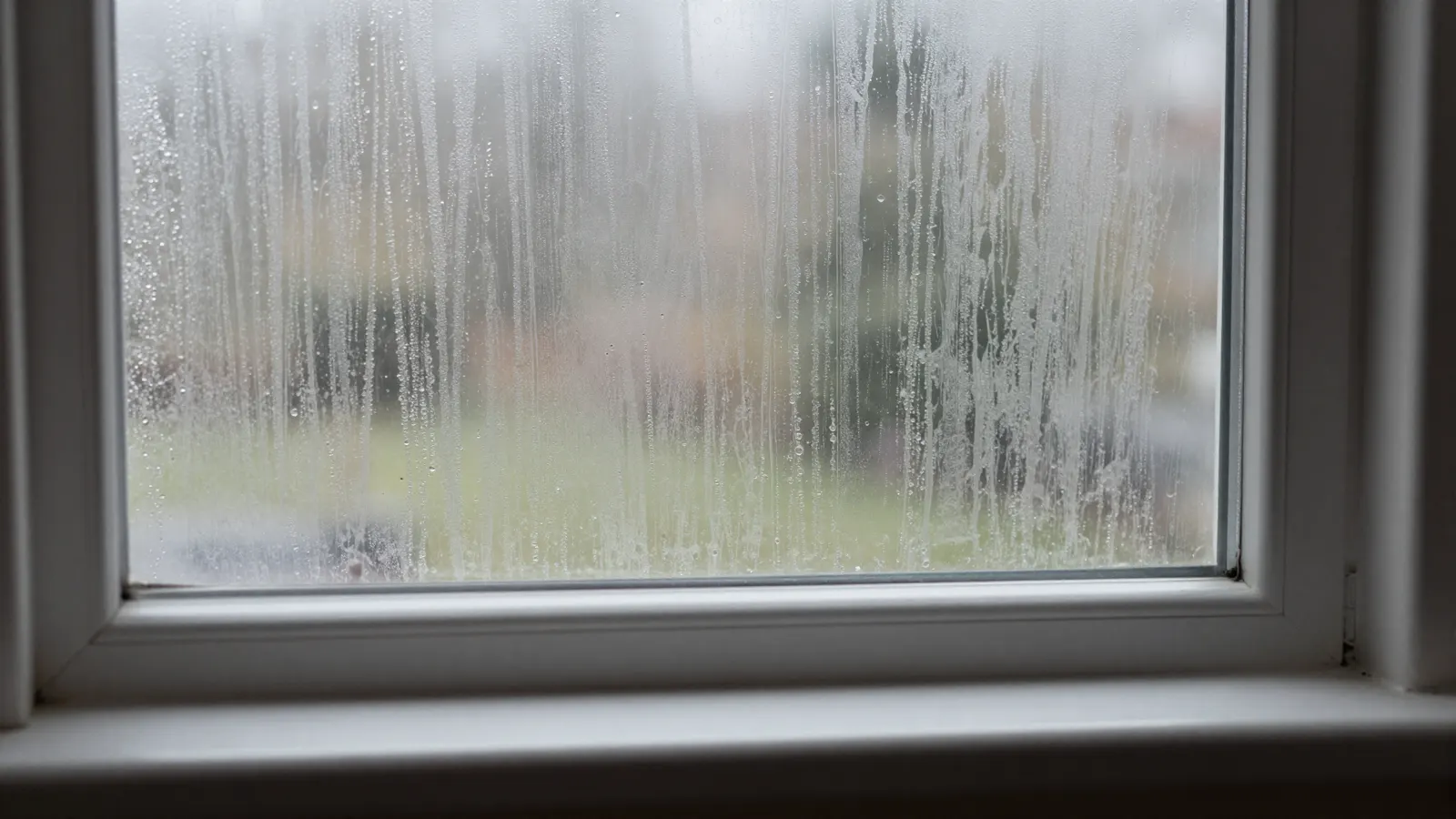
Condensation occurs when warm, moist air comes into contact with a cold surface. The air cannot hold as much moisture at lower temperatures, so water droplets form on the surface. You will most commonly see this on:
- Windows and mirrors
- Cold external walls
- Tiled surfaces and behind furniture pushed against cold walls
Condensation is especially prevalent during the colder months and in properties with poor ventilation. Everyday activities like cooking, showering, and even breathing add moisture to the air, and if that moisture has nowhere to go, it settles on cold surfaces.
The tell-tale sign of condensation is that it forms on a cold surface from inside the room — not from water creeping in from outside.
What Is Damp?
Damp, on the other hand, involves moisture entering your property from an external source. The main types are:
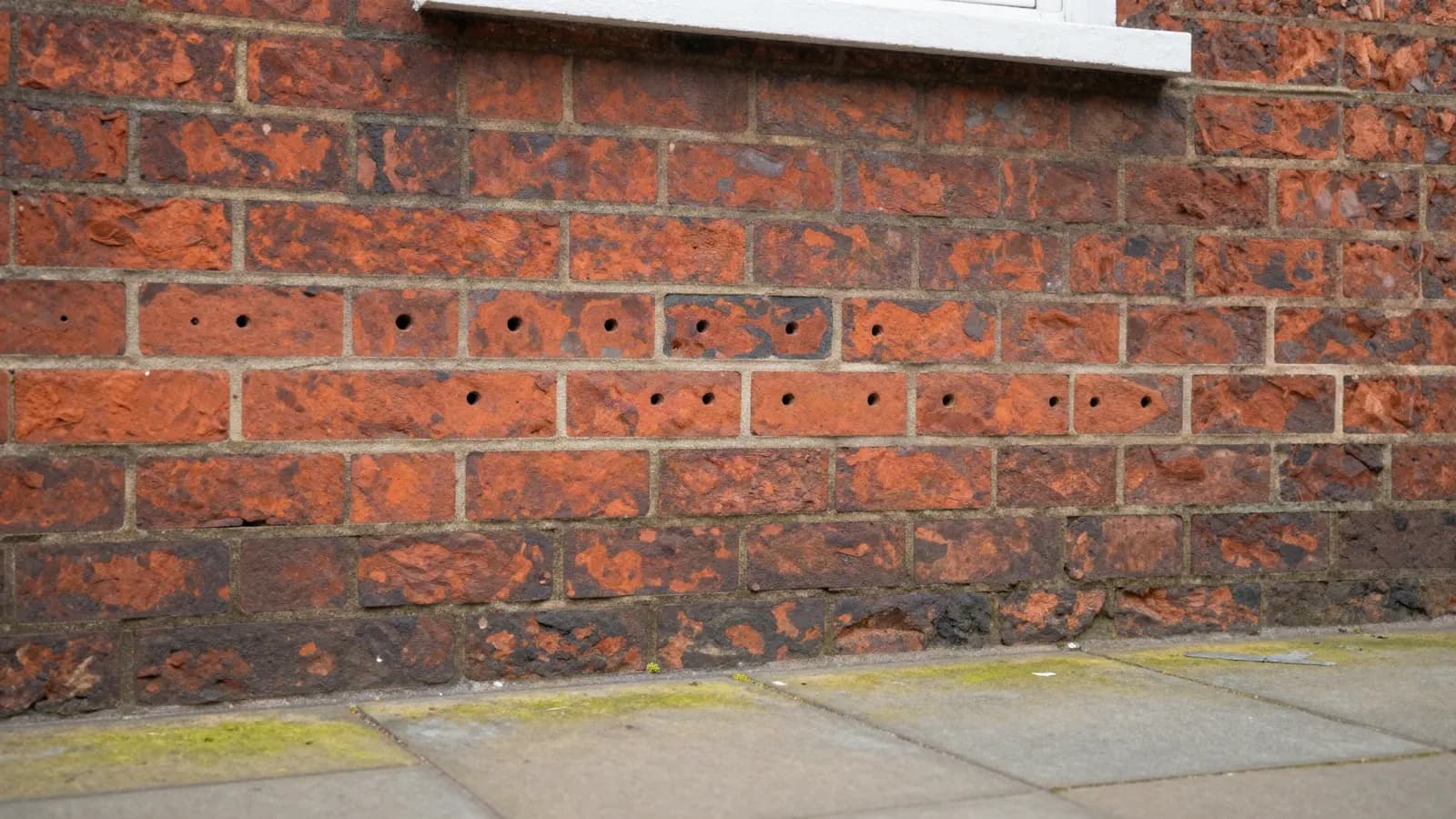
- Rising damp — moisture travelling up through the walls from the ground
- Penetrating damp — water coming in through the external walls or roof
- Lateral damp — moisture entering through below-ground walls
Unlike condensation, damp problems are typically present regardless of how well you ventilate your home, and they often leave distinct marks.
Signs You Are Dealing With Genuine Damp
- Tide lines on the lower part of walls
- White, fluffy salt deposits on plaster
- Localised wet patches that do not move with the weather inside the room
Why It Matters for Your Health
The health implications of both conditions should not be underestimated. Persistent condensation encourages the growth of black mould, which can trigger asthma, allergic reactions, and other respiratory problems. Damp environments also attract dust mites and create an unpleasant musty odour.
Addressing moisture problems in your home is not just about protecting the building — it is about protecting the people who live in it.
If mould has already taken hold, our guide on black mould on walls explains how to tackle it safely.
How to Fix Condensation
If your problem is condensation, the solutions are often straightforward and affordable. Improving ventilation is the single most effective step you can take. Practical measures include:
- Installing trickle vents in windows
- Using extractor fans in kitchens and bathrooms
- Fitting a positive input ventilation (PIV) system that gently introduces filtered air into your home
Keeping your home adequately heated also helps, as warmer surfaces are less likely to attract condensation. For a full seasonal checklist, see our post on how to prevent condensation in winter. If condensation has already led to mould, our condensation and mould treatment service can put it right.
How to Fix Genuine Damp
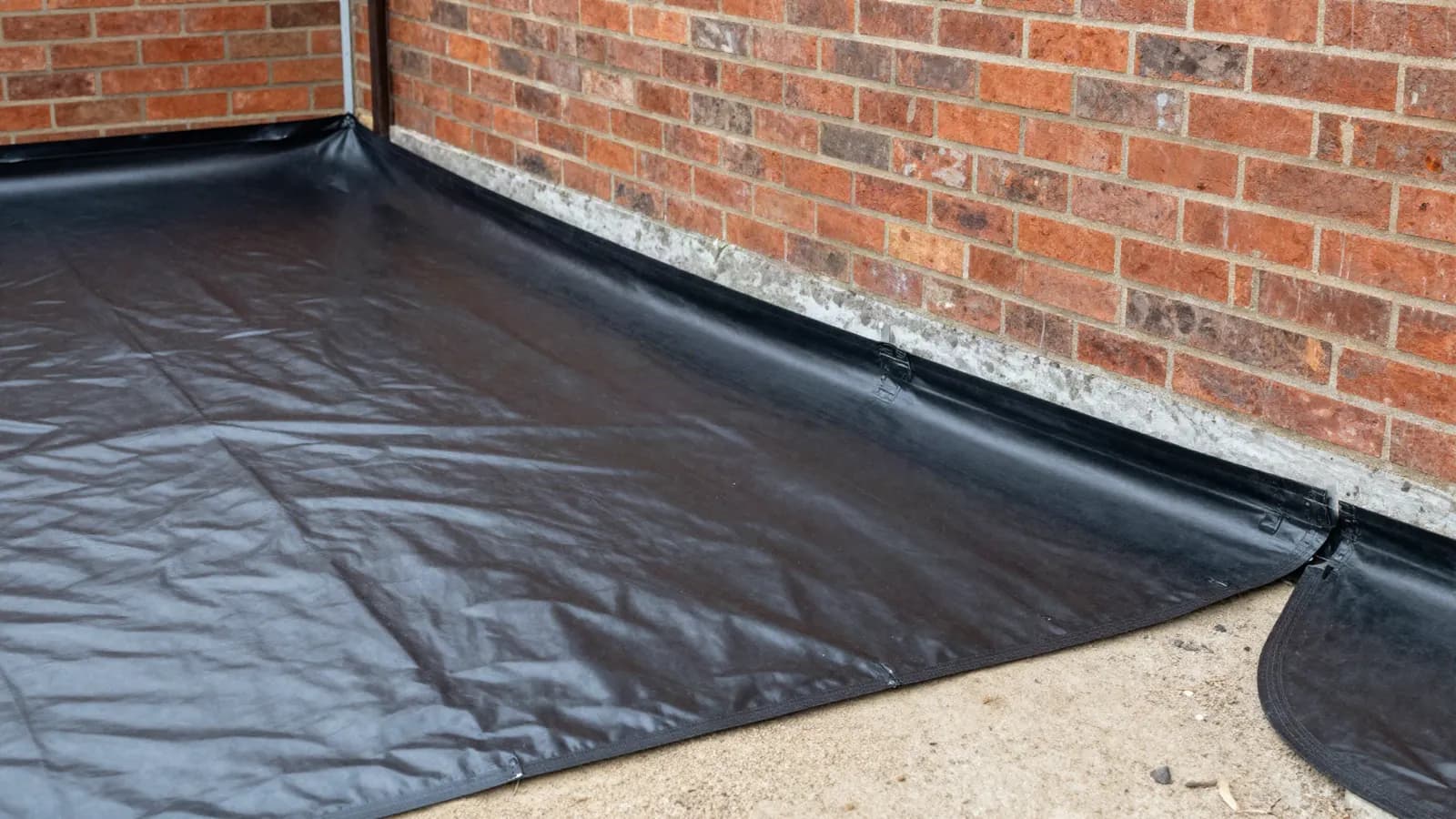
If your problem is genuine damp, professional treatment is usually required. A qualified damp surveyor can identify the type of damp affecting your property and recommend the appropriate remedy, whether that is a new damp-proof course, improved drainage, or repairs to the building fabric.
We always recommend getting a proper damp survey before committing to any treatment, as misdiagnosis can lead to unnecessary and ineffective work. Treating damp as condensation — or condensation as damp — wastes money and lets the real problem get worse.
As a Biokil-approved contractor, our remedial work is backed by a 30-year guarantee, and our surveys start from £95 plus VAT, a fee that is often credited against the cost of any works carried out.
Still Not Sure Which One You Have?
If you cannot tell whether you are dealing with condensation or damp, do not guess. Contact us or call 01273 536 985 to arrange a survey, and we will diagnose the cause accurately before recommending the right solution for your home.