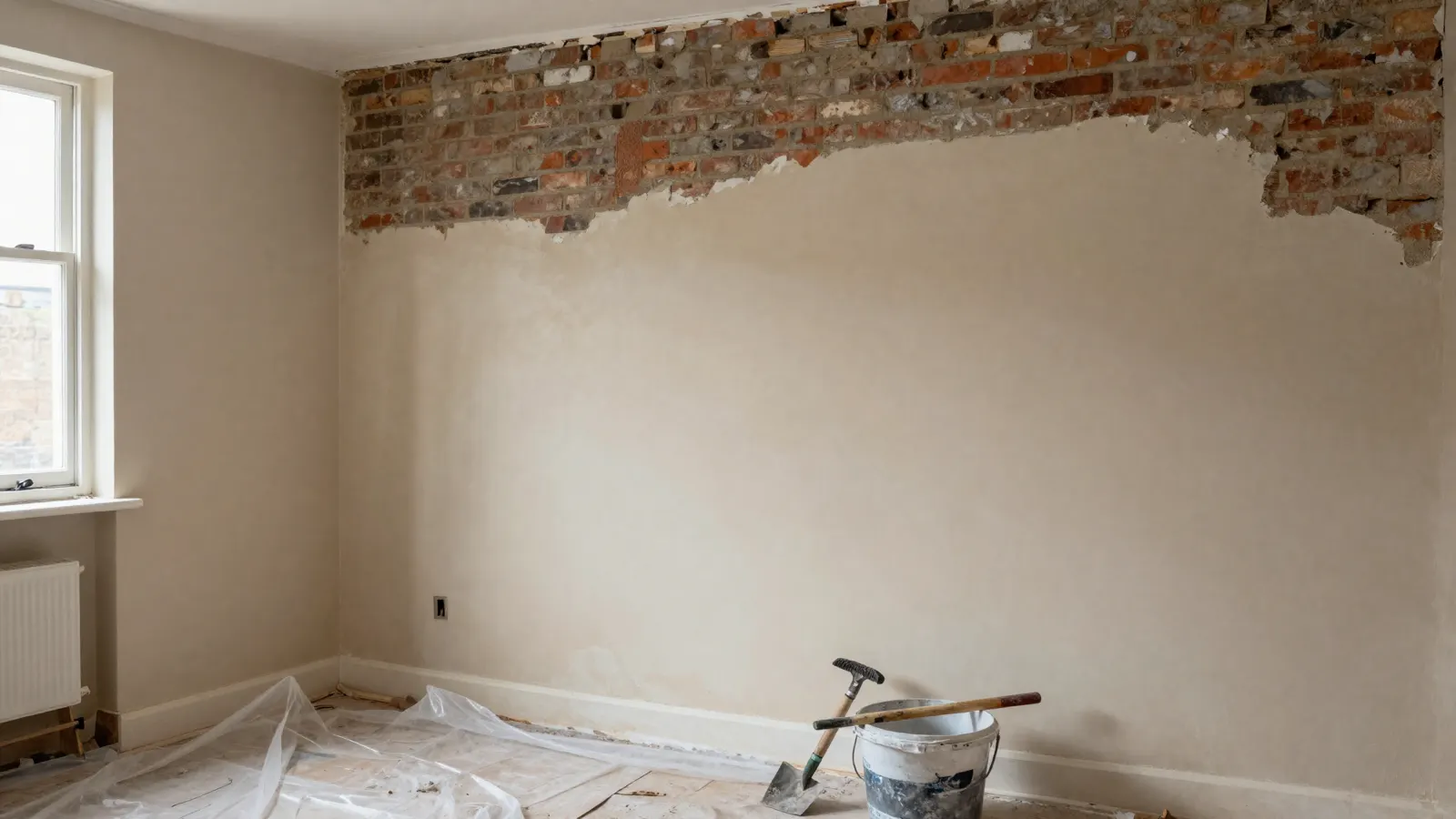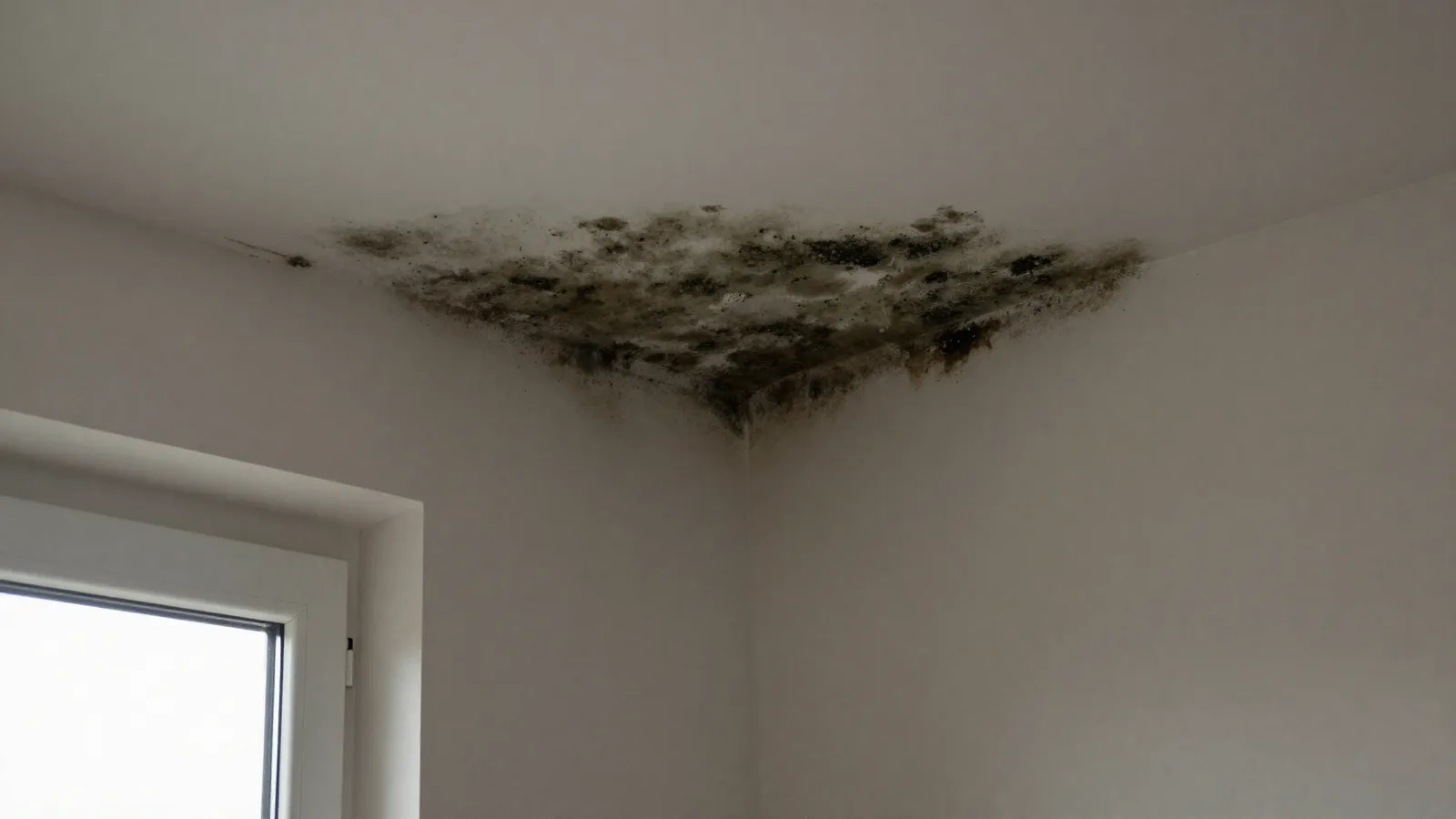
Damp and mould in rented housing has moved sharply up the legal and political agenda, and the obligations on landlords are now significant. For landlords across Brighton, Hove and Sussex — a city with a very large private-rented and HMO sector — understanding these duties is no longer optional. This guide sets out where the responsibility sits and how to stay on the right side of it.
The legal framework, in brief
Several overlapping pieces of law place the duty to deal with damp and mould firmly on the landlord:
- The Homes (Fitness for Human Habitation) Act 2018 requires rented homes to be fit for habitation throughout the tenancy — and explicitly lists damp and mould as factors that can make a property unfit.
- Section 11 of the Landlord and Tenant Act 1985 obliges landlords to keep the structure and exterior in repair, which covers the building defects that cause penetrating damp and rising damp.
- Awaab's Law — introduced following the death of two-year-old Awaab Ishak from prolonged mould exposure — requires landlords to investigate and fix damp and mould hazards within strict, legally defined timescales rather than letting reports drag on. It applies first to the social-rented sector, with the framework being extended toward private renting.
The exact timescales and rollout are tightening over time, so landlords should check the current requirements — but the direction of travel is unmistakable: respond quickly, in writing, and fix the cause.
The era of telling a tenant to "open a window and wipe it down" is over. Damp and mould is now treated as a hazard the landlord is legally responsible for investigating and resolving — on the clock.
What counts as a hazard
Under the Housing Health and Safety Rating System (HHSRS), damp and mould growth is a recognised category of hazard. A serious case can make a property legally unfit, expose the landlord to enforcement action by the council, and give the tenant grounds to claim. The presence of persistent black mould — see our guide to black mould on walls — is exactly the kind of issue that triggers these duties.
"It's just the tenant's lifestyle" — the nuance
Landlords often assume mould is simply down to how a tenant lives, and condensation from drying laundry or poor ventilation genuinely is a factor in many cases. But the law does not let a landlord off the hook on that basis alone. If the property lacks adequate ventilation, heating or insulation — the things that prevent condensation — then the underlying problem is the building, and that is the landlord's responsibility. The practical answer is usually improved ventilation (such as a positive input ventilation unit) and addressing any genuine damp, not blaming the occupant.
Your practical responsibilities as a landlord
To stay compliant and protect both your tenants and your investment:
- Respond promptly and in writing to any report of damp or mould — keep a clear record of dates and actions.
- Investigate the cause, rather than just cleaning the surface. Condensation, penetrating damp and rising damp all look similar but need different fixes.
- Fix the root cause — ventilation, heating, insulation, or the building defect — not just the symptom.
- Keep evidence. An independent survey report is your best protection if a dispute or claim ever arises.
How a professional survey protects landlords
A specialist damp survey gives you an independent, documented diagnosis of what is causing the problem and what needs doing — invaluable both for fixing it correctly and for demonstrating that you took the issue seriously and acted on expert advice. We provide landlord-friendly reports with photographs that can be shared with tenants, letting agents and, if necessary, the council. For an overview of how we work with rental properties, see our landlords page.
We survey and treat damp and mould in rented homes and HMOs across Brighton, Hove and Sussex. Surveys start from £95 plus VAT, credited against any works, and as a Biokil-approved contractor our remedial work carries a 30-year guarantee. Call 01273 536 985 or get in touch.