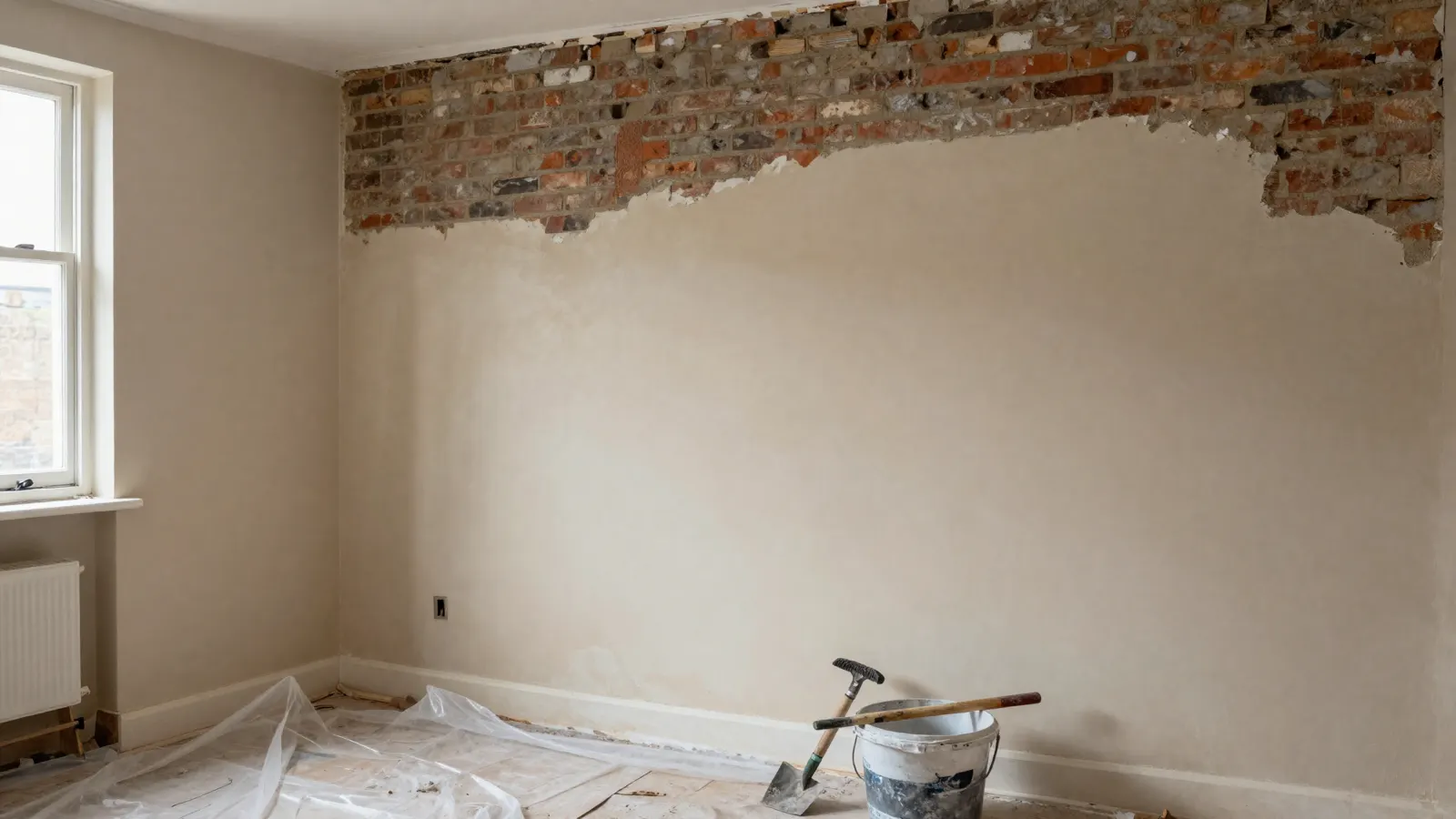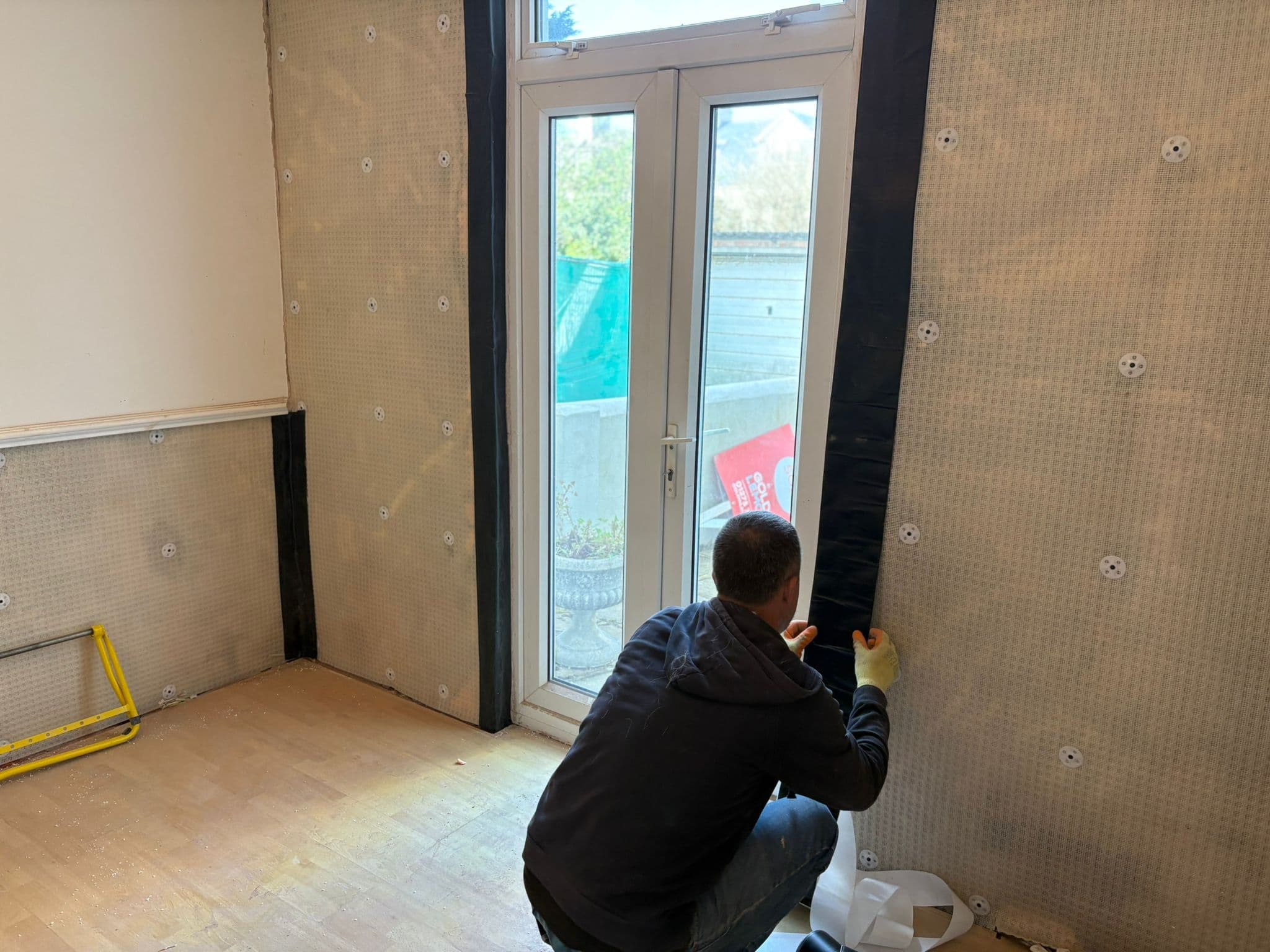
You have found the house. The offer is accepted. Then a surveyor writes the word "damp" in a report, and suddenly you are wondering whether the whole thing is about to fall through. It is one of the most common worries buyers bring to us, so let us answer it plainly.
In almost every case, yes — you can still get a mortgage on a house with damp. Lenders very rarely refuse a loan outright because of it. What actually happens is more manageable, and understanding it puts you back in control of the purchase.
The short answer: it is usually about a retention, not a refusal
A mortgage lender's job is to make sure the property is good security for the money it is lending. Cosmetic damp — a bit of mould in a bathroom, a patch of condensation staining — will not trouble a lender at all. Serious, value-affecting damp is different, but even then the lender's response is usually not "no". It is: "yes, but we will hold some money back until this is fixed."
That mechanism is called a mortgage retention, and it is the single most important thing to understand here.
Why the mortgage valuation might not even mention damp
First, a distinction that trips up a lot of buyers. The mortgage valuation and a survey are not the same thing.
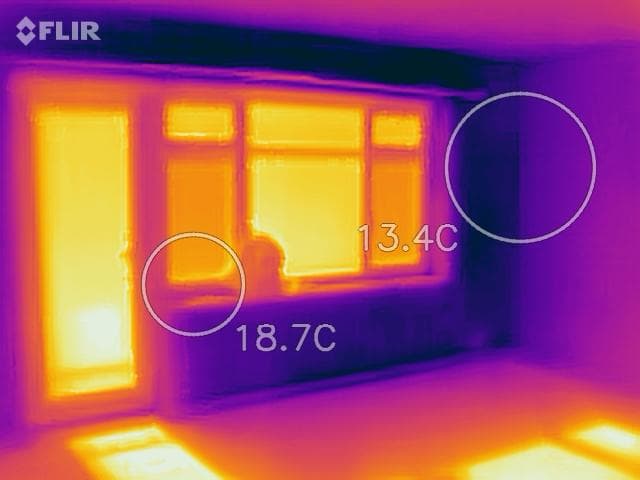
A mortgage valuation is carried out for the lender's benefit, not yours. It is a brief pro-forma check — often just two to three pages, based on an inspection that can take under twenty minutes — to confirm the property is worth roughly what you are paying. As the Royal Institution of Chartered Surveyors (RICS) puts it, a mortgage valuation "is not a survey" and "merely tells your lender whether or not the property is reasonable security for your loan." The consumer body Which? is blunter still: it "won't tell you anything about the condition of the property."
So a valuation may miss damp entirely — or flag it in passing. Either way, it is not designed to tell you what you are buying. For that, you need your own survey.
The survey that actually finds damp
RICS offers three levels of home survey, each more thorough than the last:
- Level 1 — a basic condition report for newer homes in good order.
- Level 2 — the mid-level "HomeBuyer"-style survey, right for most conventional properties in reasonable condition.
- Level 3 — the most comprehensive, in-depth analysis (formerly the "Building Survey"), best for older, larger or altered properties — which describes a great deal of Brighton and Sussex housing stock.
A Level 2 or 3 survey is where damp is properly identified, because the surveyor is actually assessing condition rather than just value. If you are buying an older home, it is money well spent — and it is often the first place the word "damp" appears. We wrote separately about why a damp survey before buying matters.
What a mortgage retention actually looks like
If the lender's surveyor flags serious damp, the lender may release most of the loan but retain a portion until the work is done. There are two versions:
- Partial retention — the common one. The lender holds back a sum, usually equal to the estimated repair cost, and releases it once the work is completed. For example: on a £200,000 mortgage with £10,000 of identified damp works, the lender advances £190,000 on completion and releases the final £10,000 once the repairs are signed off.
- Full retention — rarer, for more serious defects. The lender withholds all funds until the work is carried out.
Damp and mould sit on the standard list of issues that can trigger a retention — alongside structural movement, rewiring, roof repairs and Japanese knotweed. Lenders only retain for genuinely serious problems, never for decorative or cosmetic ones.
The catch with a retention is cash flow: you may need to fund the repair yourself first, then have the retained money released afterwards. That is worth knowing before exchange, so you can plan for it or negotiate around it.
The "damp and timber report" a lender may ask for
When a valuation raises a damp concern, the lender will often ask for a specialist damp and timber report before deciding whether to lend or to impose a retention. This is normal, and it is not a bad sign.
Importantly, such a report is not a prerequisite for a mortgage. It is only requested after the lender's own basic valuation has flagged something that needs a closer look. In other words, it is a follow-up, not a barrier — and it is where an independent, honest assessment of the wall does you a real favour.
An honest word about "rising damp"
Here is something a damp-proofing company will not always tell you: not every damp reading means you need a new damp-proof course.
RICS is direct about this. It warns that "rising damp" is frequently misdiagnosed, that failure of an original damp-proof course is "extremely rare", and that no one should rely on a damp meter alone to diagnose the source of moisture — because meters can read falsely high on hard walls and solid floors. A lot of damp blamed on a failed DPC is actually penetrating damp, condensation, or a simple bridging fault like raised ground outside or a rendered-over airbrick.
We say this because getting the diagnosis right is the whole game. If you are told a house needs thousands of pounds of injection treatment, it is entirely reasonable to get a second opinion before you renegotiate or commit. An accurate diagnosis protects you from paying for work you do not need — and gives the lender exactly the clarity it wants.
Your options as a buyer when damp is found
A sale is not legally binding until exchange of contracts, so finding damp before then leaves you with real leverage and several routes:
- Renegotiate the price. The most common and most successful option. A survey that reveals problems is strong grounds to ask for a reduction — Which? found that of buyers whose surveys revealed problems, two-thirds succeeded, with 43% negotiating a lower price and a further 24% getting the seller to fix the issues before exchange.
- Ask the seller to remedy it — or to split the cost. Sometimes cleaner than a retention, since it takes the work off your plate.
- Get a specialist survey to establish the true cause and cost, so any negotiation is based on a real figure rather than a scary guess.
- Walk away. Rare, but your right — and occasionally the correct call if the numbers do not work.
Damp, alongside structural issues, is one of the findings most likely to justify a meaningful price reduction. Handled calmly, a damp finding is often a saving, not a dealbreaker.
Does damp reduce the property's value?
It can — a lender's surveyor may down-value a property where serious damp affects its condition, and survey findings can reduce what the house is reasonably worth. But that cuts both ways for a buyer: a lower valuation is often the very thing that lets you go back to the seller and agree a fairer price. The key is knowing the real scope of the problem, which is exactly what a proper damp survey gives you.
How we help buyers get to completion
We survey houses for buyers across Brighton, Hove and Sussex every week — often the same properties a mortgage valuation has flagged. What a lender and a buyer both want is certainty: what is actually wrong, what it costs to fix, and a guarantee that it is sorted for good.
That is what we provide. An independent damp survey from £95 plus VAT (credited against any works) gives you an honest diagnosis — not a sales pitch — and a clear written report and fixed quote you can take to your lender or your negotiation. If work is genuinely needed, our rising damp and timber treatment repairs carry a 30-year written guarantee as a Biokil-approved contractor, giving both you and the lender documented reassurance that the problem is resolved. For a sense of figures, see our damp proofing cost guide.
Damp is one of the least likely reasons for a mortgage to collapse and one of the best reasons to renegotiate a price. Get it diagnosed properly, get it in writing, and it becomes a bargaining chip rather than a barrier.
If a survey has flagged damp on a house you are buying, do not panic — get it looked at properly. Call 01273 536 985 or get in touch to book a pre-purchase damp survey, and we will tell you honestly what you are dealing with.