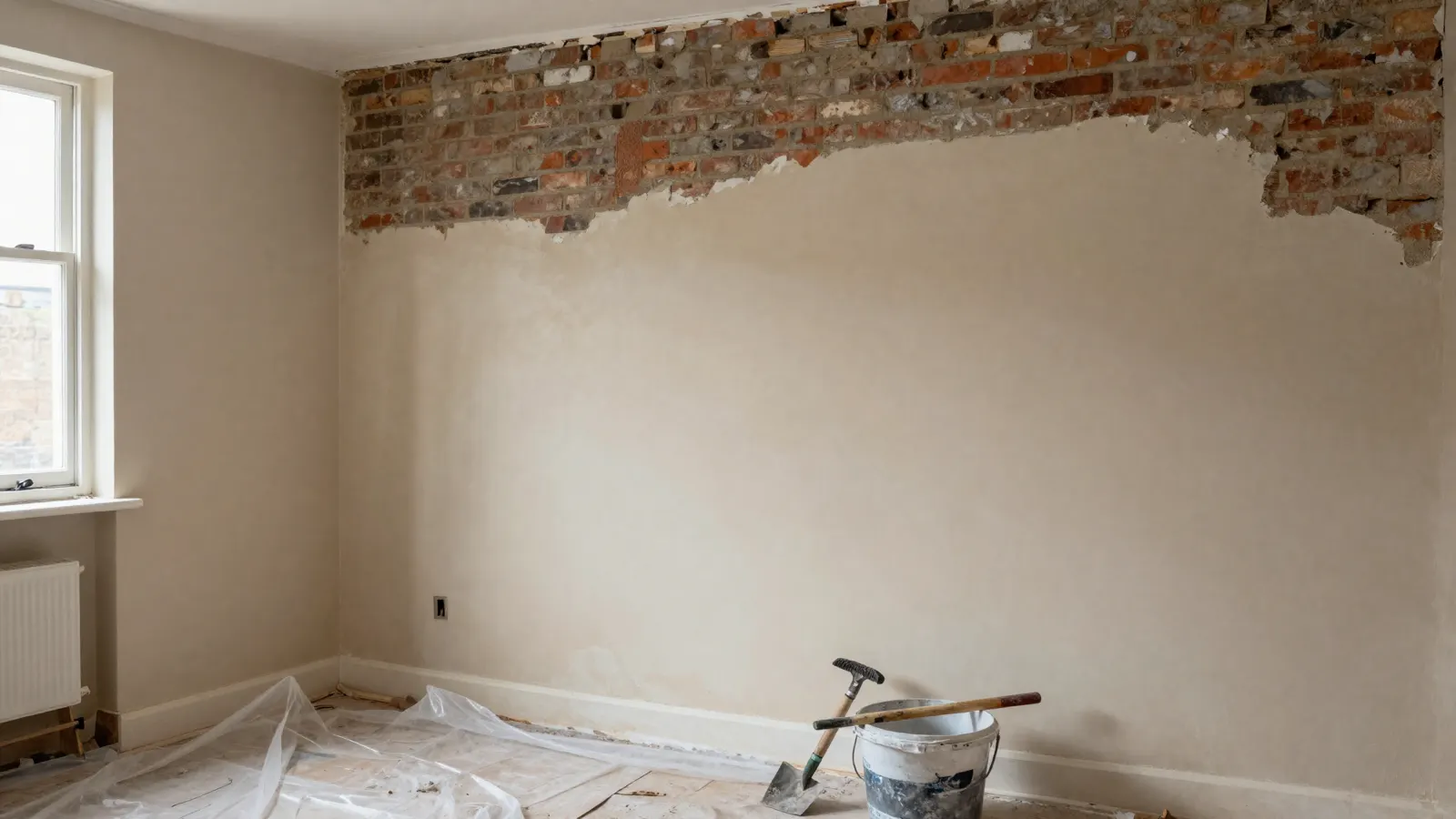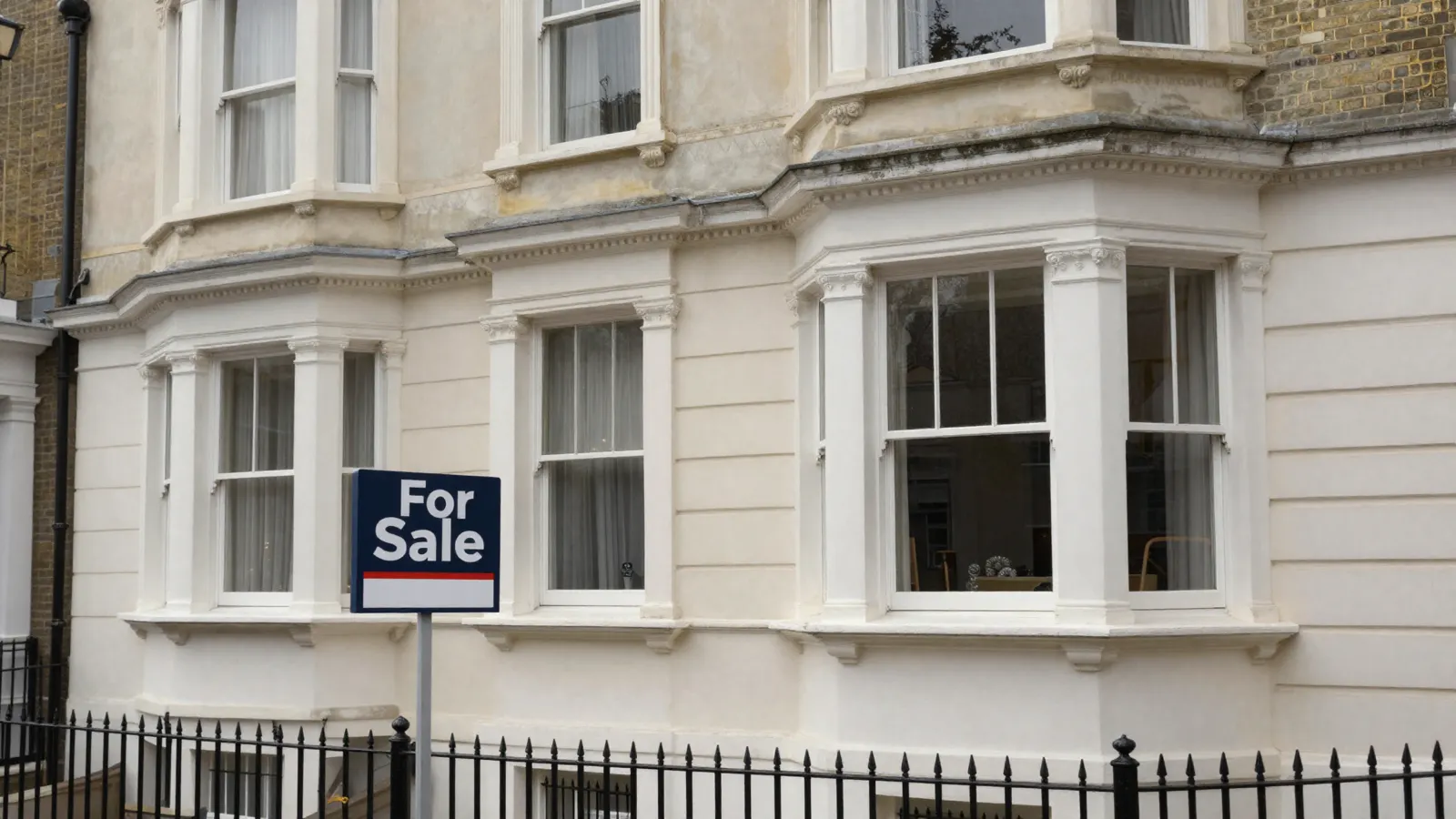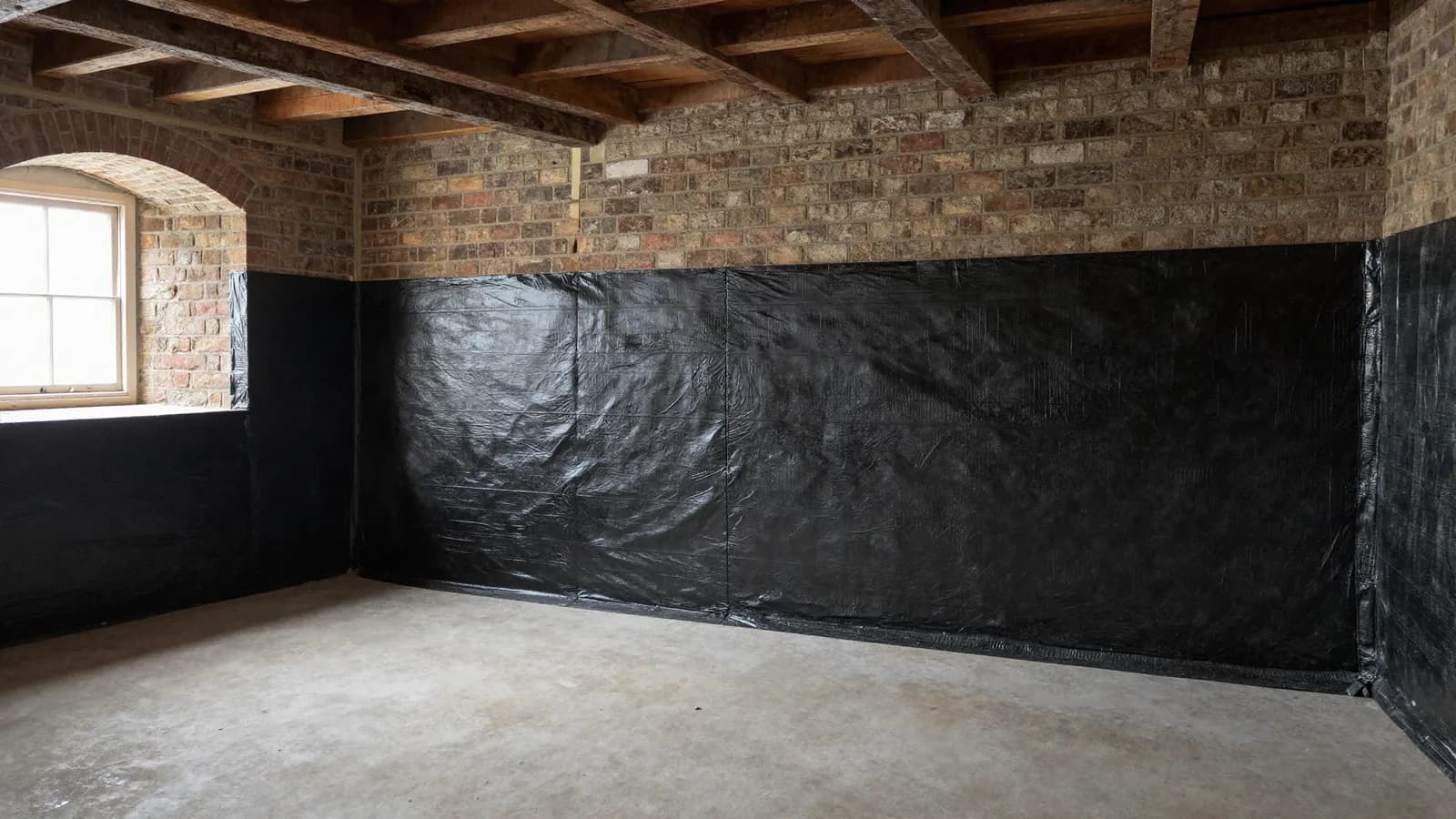
Brighton and Hove sit on some of the most basement-heavy housing stock in the South East. The Regency crescents of Brunswick and Kemptown, the grand seafront terraces of Hove, and countless Victorian townhouses across the city were all built with lower-ground floors that were never designed to be dry, habitable rooms by modern standards. Turn one of those spaces into a usable kitchen, bedroom or flat and you are asking a 180-year-old below-ground wall to do something it was never built to do. That is what basement waterproofing is for — and getting the system right is the difference between a dry room for decades and a recurring nightmare.
Why Brighton basements get wet
A basement wall is fighting water from three directions at once, and the local geology makes all three worse:
- Hydrostatic pressure — water in the surrounding ground is physically pushed against the wall and floor. After heavy rain, the water table beneath parts of Brighton rises sharply, and that pressure finds any weakness.
- Rising damp — moisture wicks upward through the masonry from below, exactly as it does above ground, but with far more water available.
- Penetrating damp — water tracks sideways through cracked render, failed pointing or defective tanking, a close cousin of ordinary penetrating damp.
Add Brighton's chalk-and-clay subsoil, its proximity to the sea, and the hygroscopic salts that decades of damp leave behind in old masonry, and you have a wall that will defeat any half-measure. Painting on a tin of waterproofer will not hold. There are really only two engineered systems that do.
The two systems that actually work
Modern below-ground waterproofing is defined by the British Standard BS 8102, which describes three types of protection. For retrofitting an existing Brighton basement, two matter: Type A (tanking) and Type C (cavity drain membrane).
| Type A — Cementitious tanking | Type C — Cavity drain membrane | |
|---|---|---|
| How it works | A physical barrier that blocks water at the wall face | Lets water in behind a membrane and manages it to a drain |
| Best for | Sound masonry, lower water pressure | Higher water tables, listed or uneven walls |
| Typical cost | £90 – £170 per m² | £120 – £220 per m² |
| Maintenance | Effectively none, but fails hard if breached | Sump and pump need periodic servicing |
| Failure mode | If water pressure exceeds the bond, it blisters off | Far more forgiving — water has somewhere to go |
Type A: cementitious tanking
Tanking applies a multi-coat cementitious slurry to the walls and floor, creating a sealed barrier that holds water back. On sound substrate with modest water pressure it is an excellent, cost-effective solution, typically £90 to £170 per square metre depending on the system and floor treatment. Its weakness is that it relies entirely on the bond between the slurry and the wall — if ground-water pressure ever exceeds that bond, or the original surface was contaminated with salts, it can blister and fail, and when it fails it fails completely.
Type C: cavity drain membrane
A cavity drain membrane takes the opposite philosophy. Instead of fighting the water, a dimpled plastic membrane is fixed to the walls and floor, deliberately leaving a drained cavity behind it. Any water that gets through the structure runs harmlessly down the membrane into a perimeter channel, collects in a sump, and is pumped away. It is widely regarded as the safest option for habitable rooms below ground because it does not depend on beating water pressure — it simply gives the water a controlled route out. For a typical 40 m² cellar, a full cavity system with a sump and pump commonly lands between £8,000 and £14,000 all in.
Tanking blocks water; a cavity membrane manages it. For a habitable room below ground in a high-water-table city like Brighton, managing water is almost always the safer bet.
Which system is right for your basement
There is no universally correct answer — it depends on the structure, the water you are dealing with, and how you will use the space. A dry-ish cellar for storage on sound brickwork may only need quality tanking. A lower-ground flat in a Brunswick crescent with a seasonal water table and listed-building constraints almost certainly needs a cavity drain system, sometimes combined with tanking for belt-and-braces protection. The right call comes from a proper damp survey, not from a brochure — and certainly not from whichever system a contractor happens to sell.
What basement waterproofing costs in Brighton
Brighton genuinely costs more than the national average, and for real reasons we explain in our Brighton damp proofing cost guide: heritage overlays, party-wall agreements, difficult access, and high water tables all add to the bill.
| Job | Typical 2026 cost |
|---|---|
| Cementitious tanking | £90 – £170 per m² |
| Cavity drain membrane system | £120 – £220 per m² |
| Full 40 m² cellar, cavity system with sump and pump | £8,000 – £14,000 |
| Full basement / cellar conversion (waterproofing + fit-out) | £10,000 – £20,000+ |
These are ranges to set expectations, not a quote. Listed Regency basements and HMO conversions can run beyond £30,000 once heritage detailing and full fit-out are included.
Regency and listed basements need a gentler approach
Many of the finest below-ground spaces in the city — in Brunswick, Kemptown and along the Hove seafront — are in listed buildings or conservation areas, where trapping moisture in solid lime-built walls can do real harm. Our guide to damp proofing in listed buildings explains why breathable, reversible methods often matter more than the cheapest fix. A cavity drain membrane is frequently the heritage-friendly choice here precisely because it does not seal the wall — it lets it breathe while keeping the room dry.
Get the basement surveyed before you commit
The single most expensive mistake in basement waterproofing is installing the wrong system for the water you actually have. Before you spend five figures, have the space properly diagnosed: the water table, the structure, the salt loading and the intended use all change the answer. We waterproof basements and cellars across Brighton, Hove and Sussex, our surveys start from £95 plus VAT and are credited against any works, and as a Biokil-approved contractor our work carries a 30-year guarantee. Call 01273 536 985 or get in touch to arrange a survey.